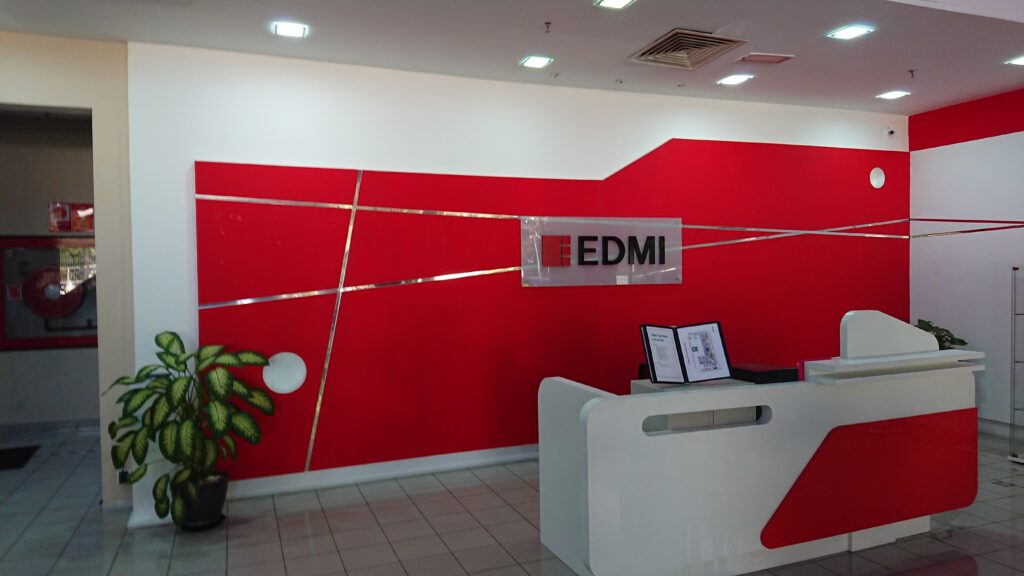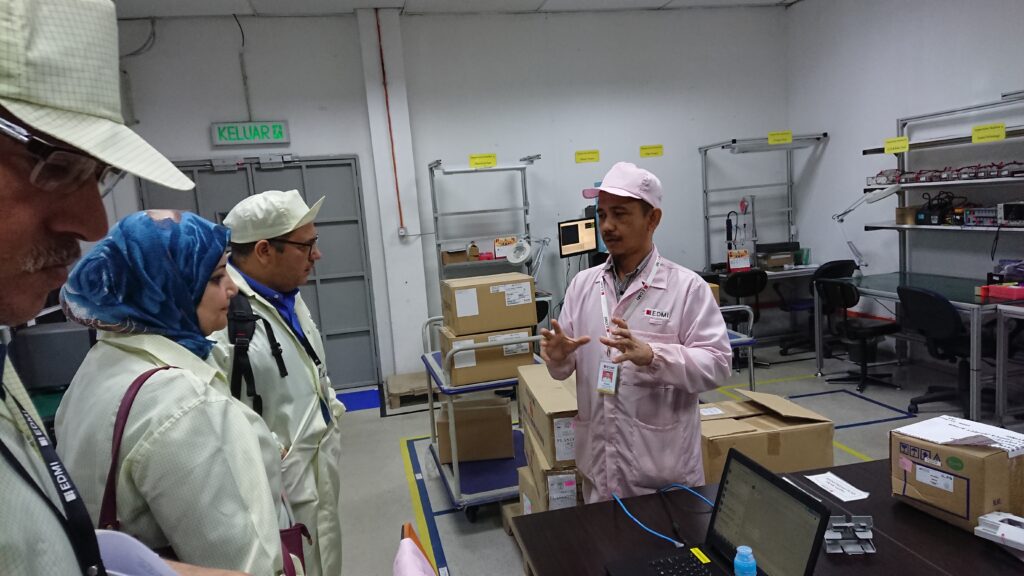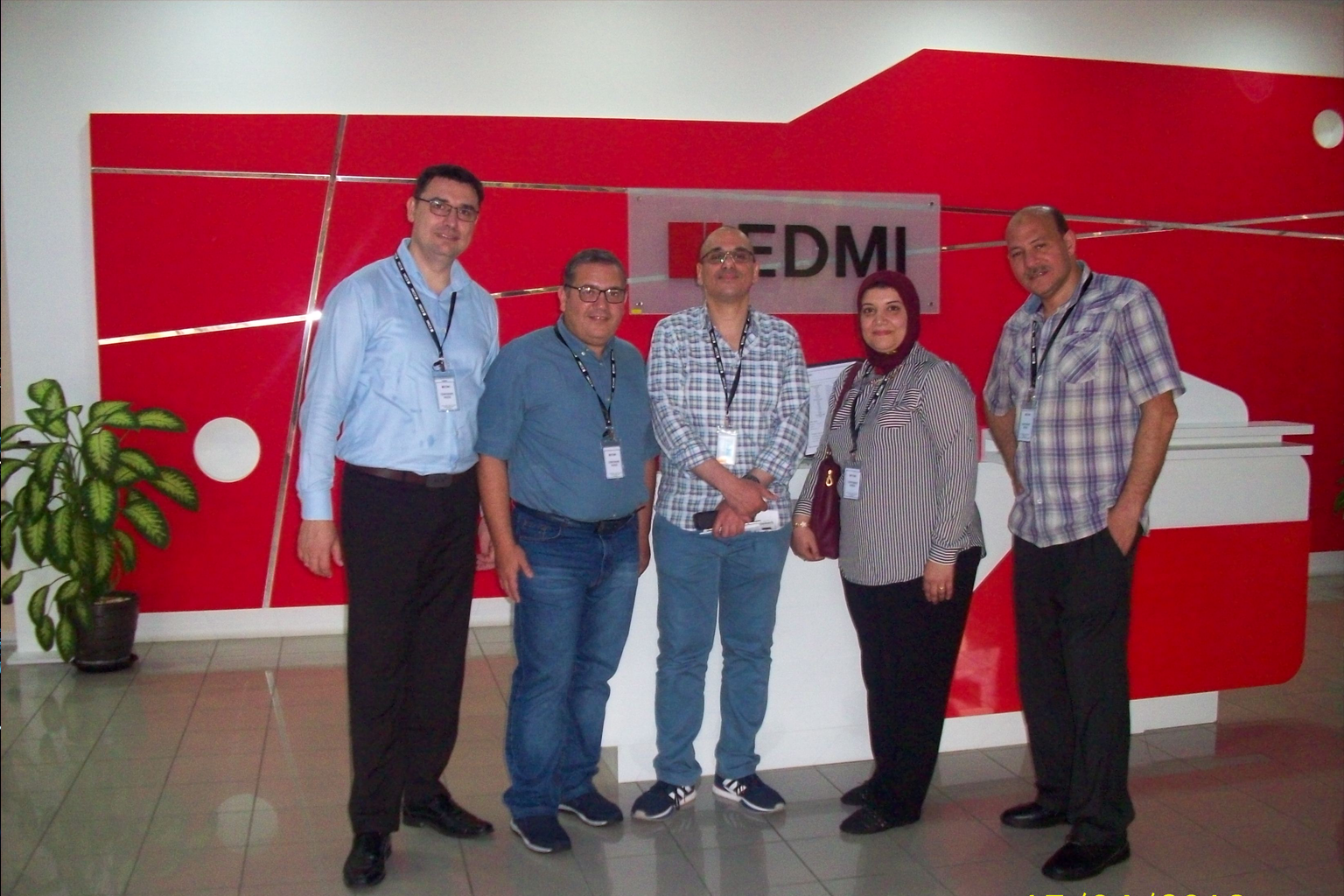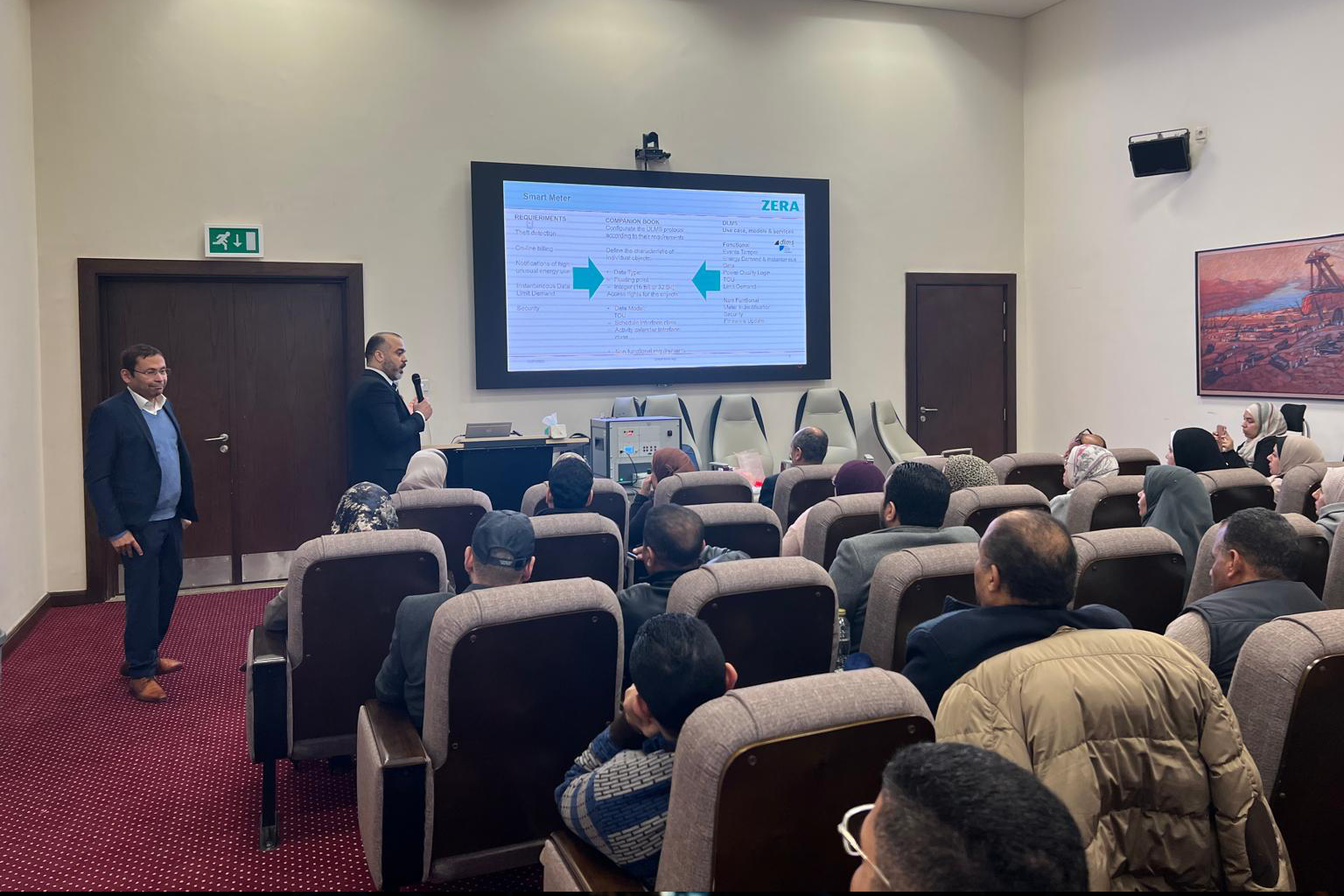
As part of Infinity Egypt’s commitment to introducing reliable, internationally tested energy-measurement technologies to the Egyptian market, an official technical committee visited the EDMI Electronics manufacturing facility in Johor, Malaysia, from 13 to 18 April 2019.
The visit was organized following Infinity Egypt’s submission of the Genius Mk6N three-phase energy meter for technical approval. The committee was nominated to inspect the manufacturing facility, examine the production and quality-control processes, review the meter’s technical documentation and witness a series of factory tests.
The factory inspection and technical evaluation activities were conducted between 15 and 17 April 2019.
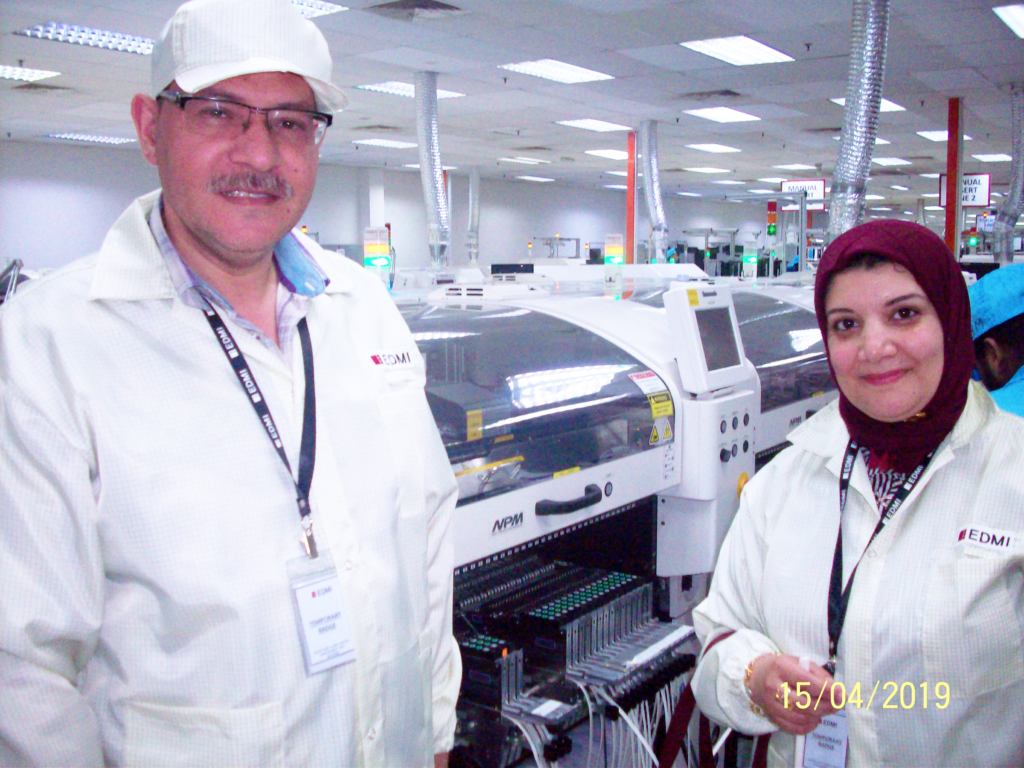
The committee included:
The visit began with a technical briefing on EDMI, its international operations and its relationship with Japan’s OSAKI Electric.
The committee reviewed the company’s quality, environmental, occupational-safety, information-security and laboratory-accreditation documentation. The available records included certifications relating to:
The supporting report also documented EDMI’s manufacturing and calibration facilities and included copies of the relevant certificates reviewed during the visit.
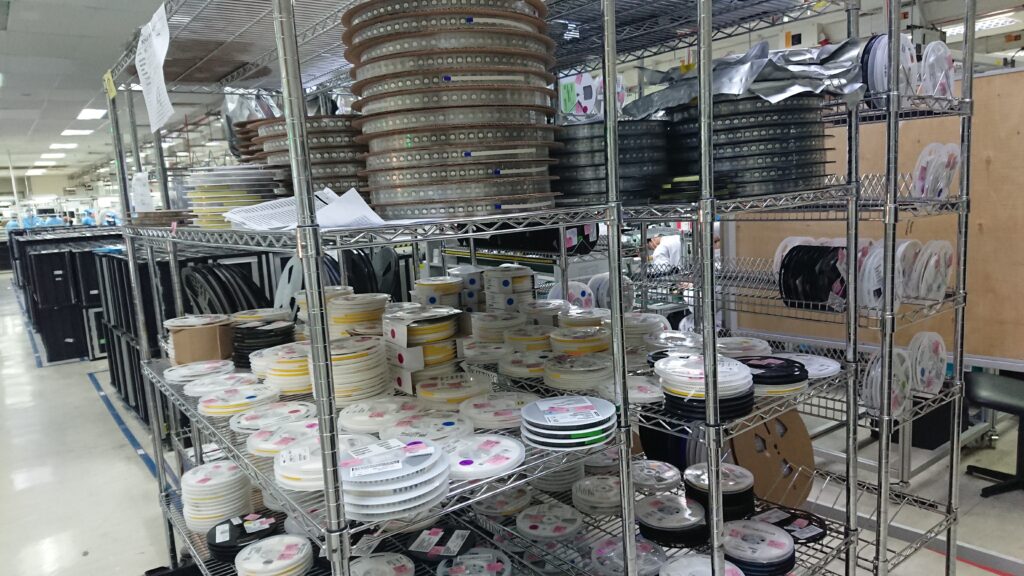
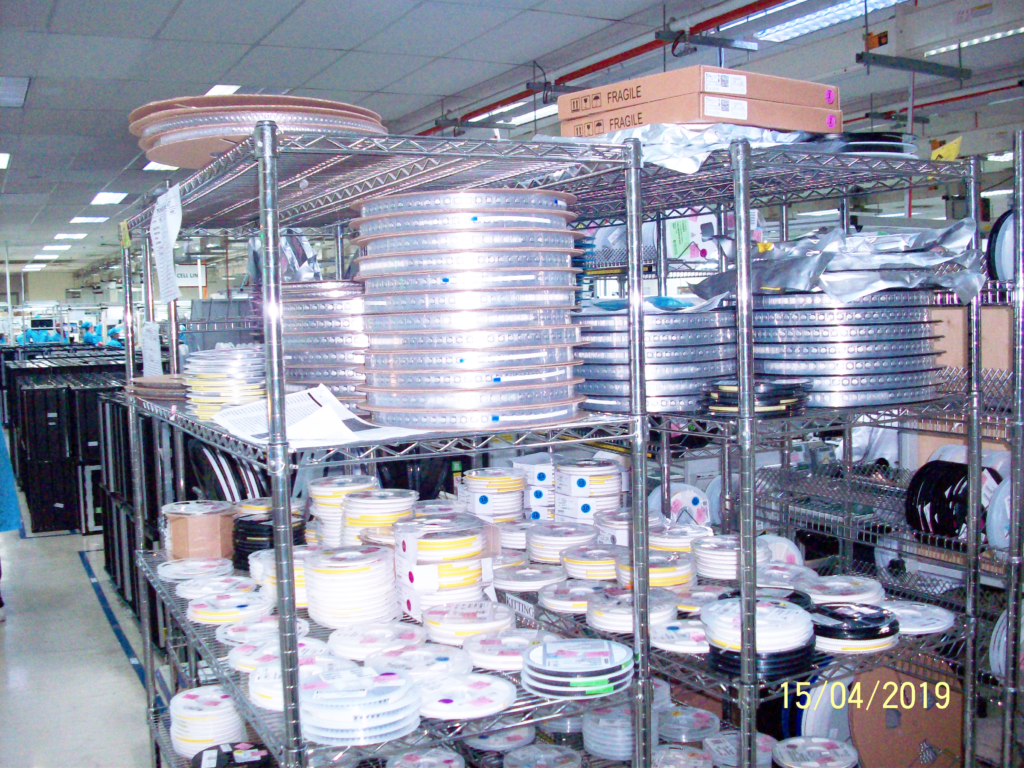
The committee inspected the factory’s principal component warehouse, which was reported to cover approximately 1,600 square metres and operate according to a first-in, first-out inventory-management system.
Electronic and mechanical components were individually checked before being accepted into storage. Components sensitive to temperature, humidity and dust—such as processors and memory devices—were held in a dedicated environmentally controlled storage area.
Additional sub-stores located close to the production lines supplied the components required for each scheduled production run. This process was managed by the production-planning department according to confirmed sales and delivery requirements.
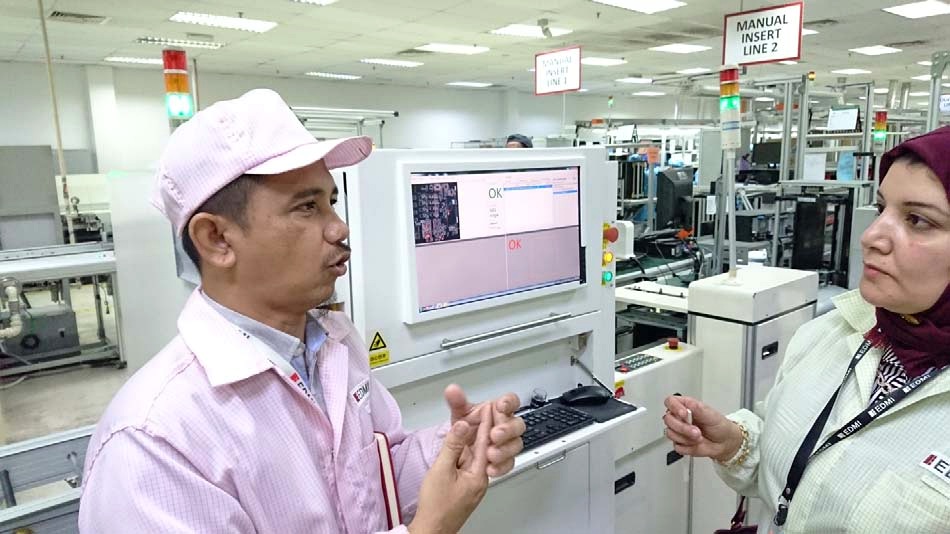
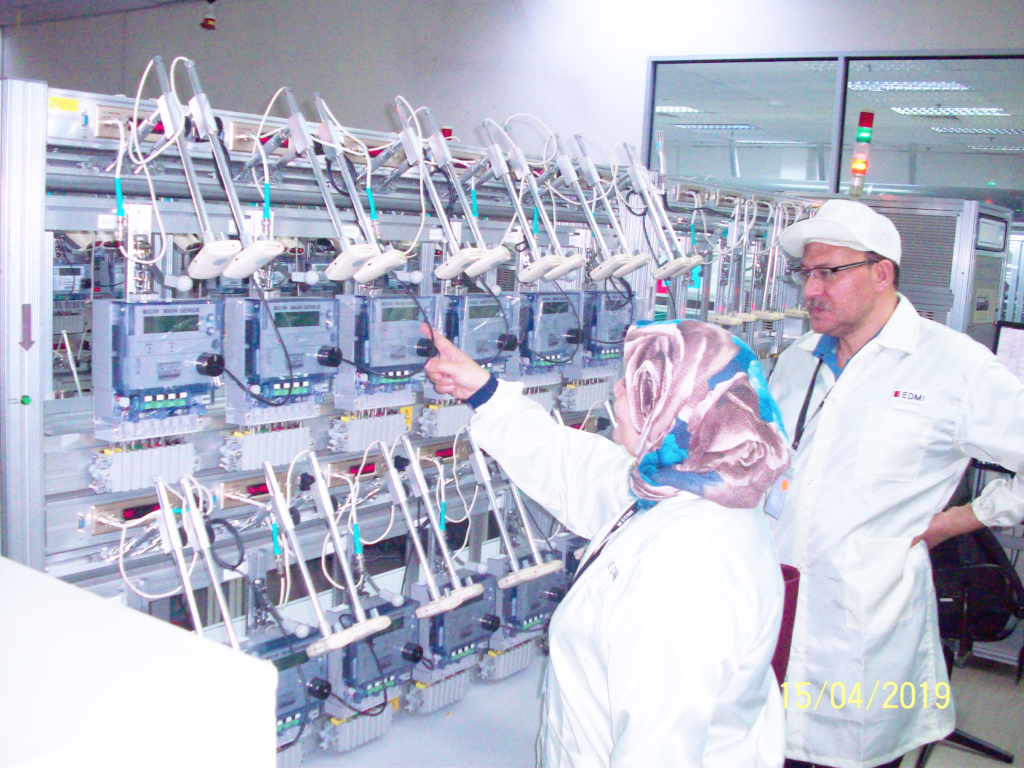
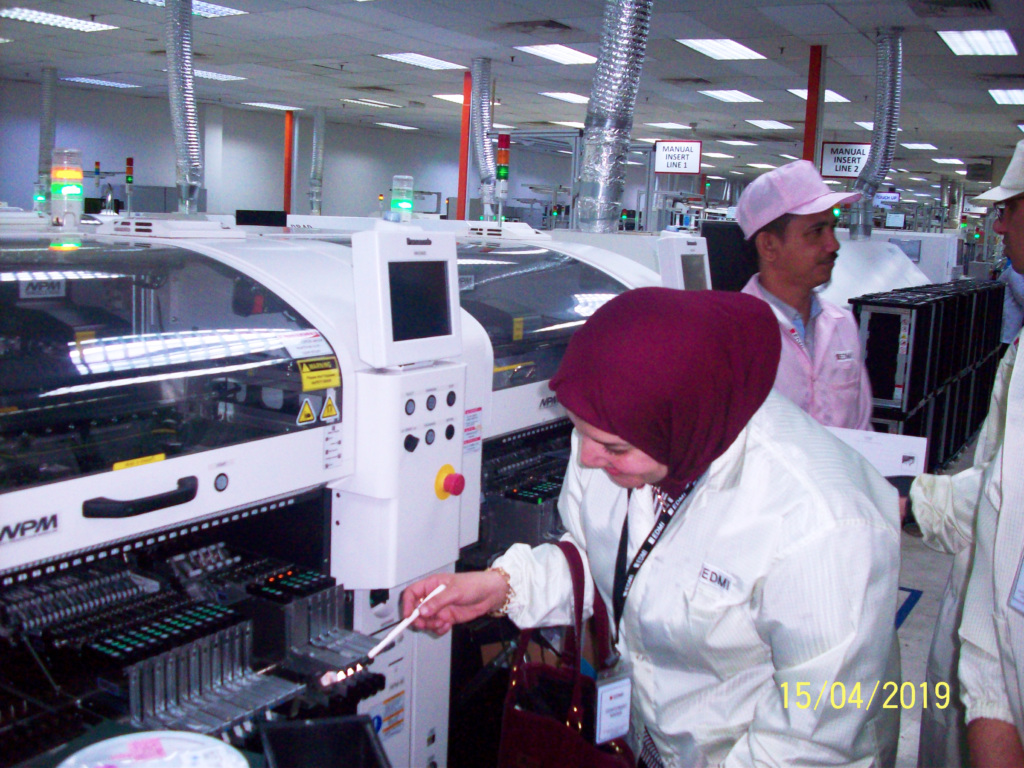
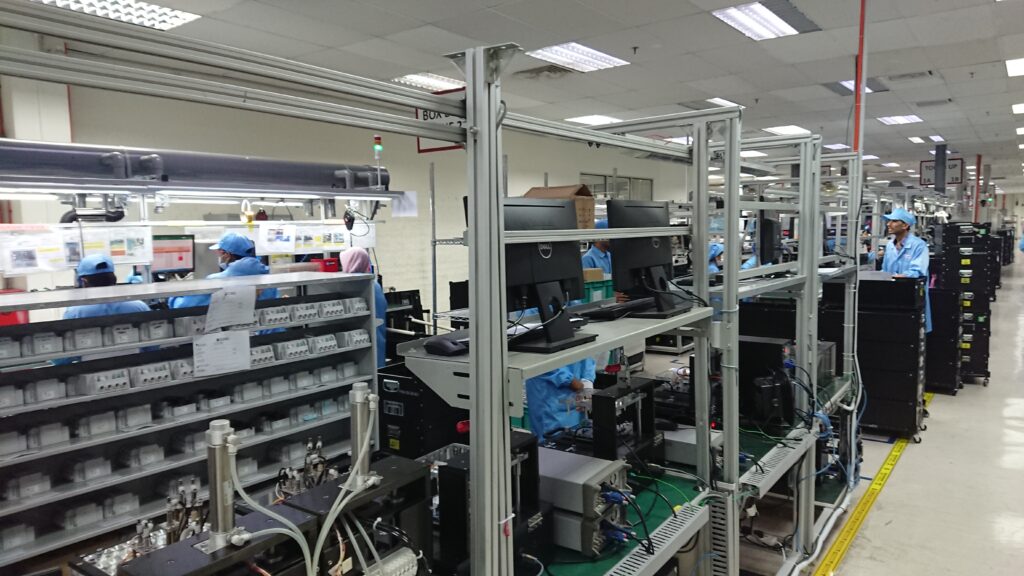
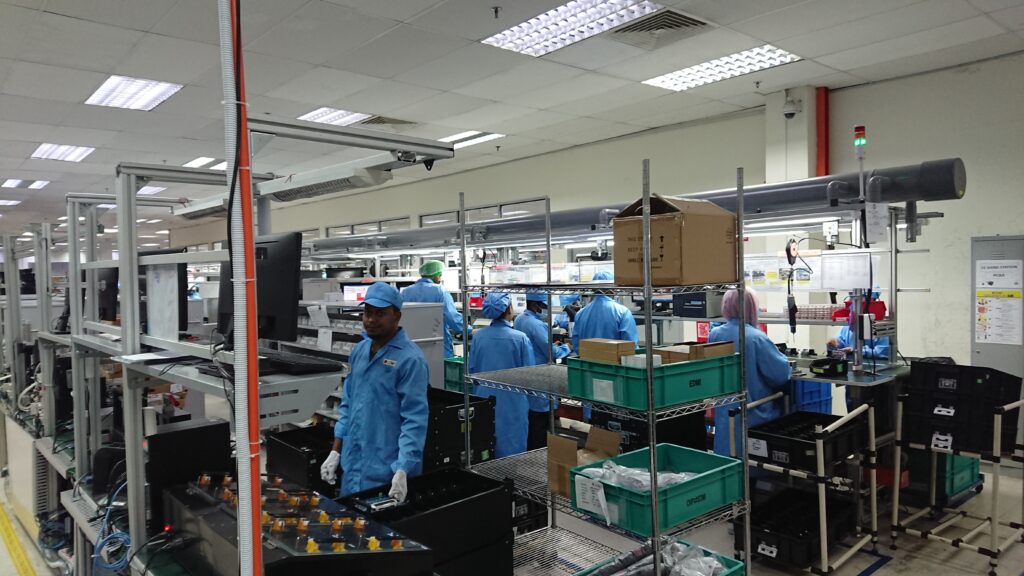
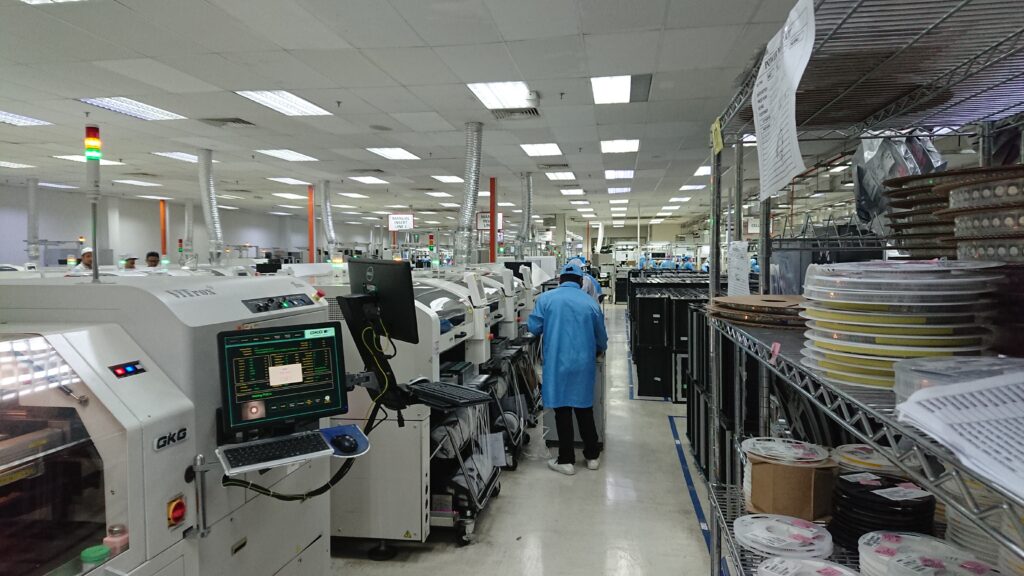
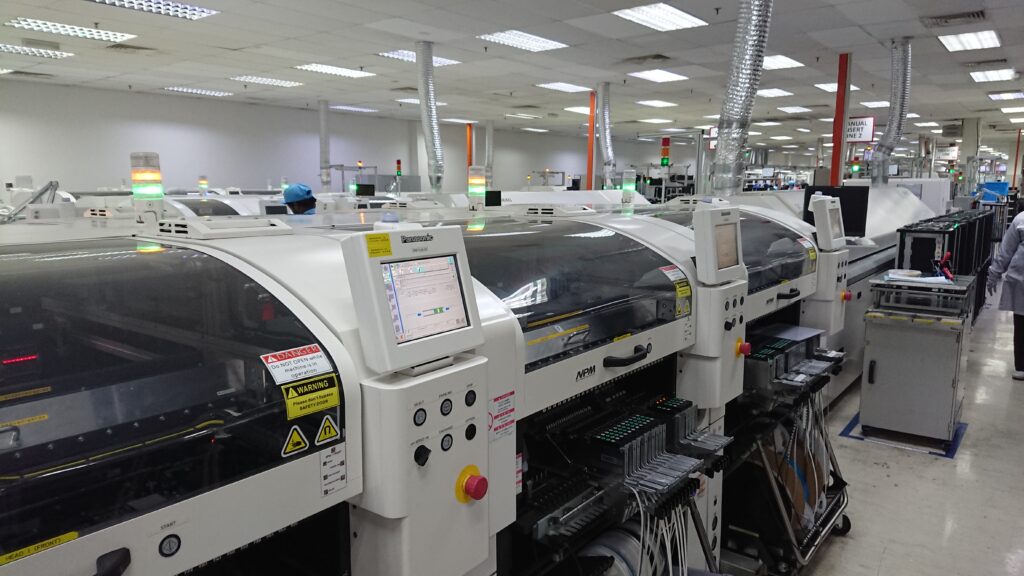
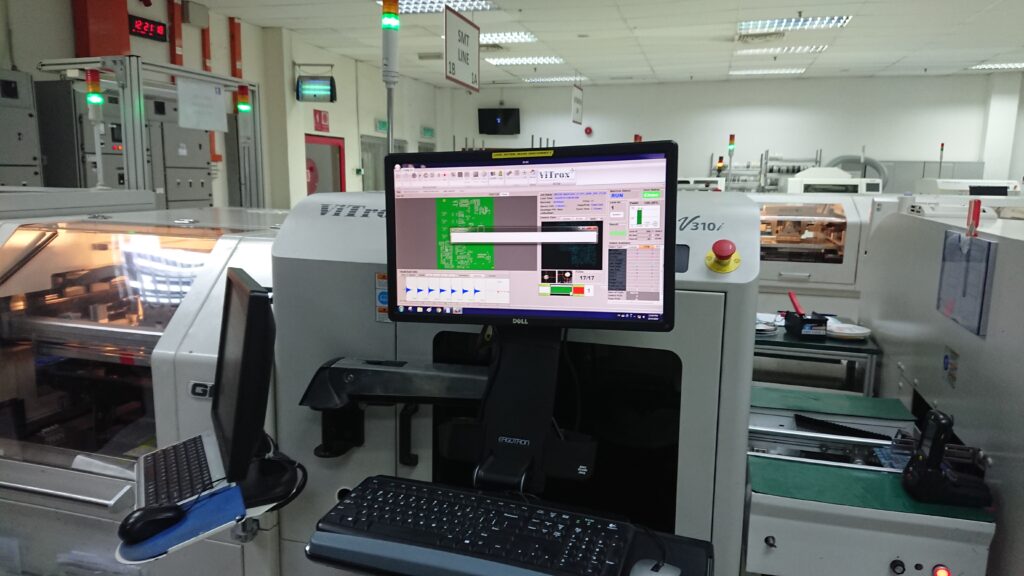
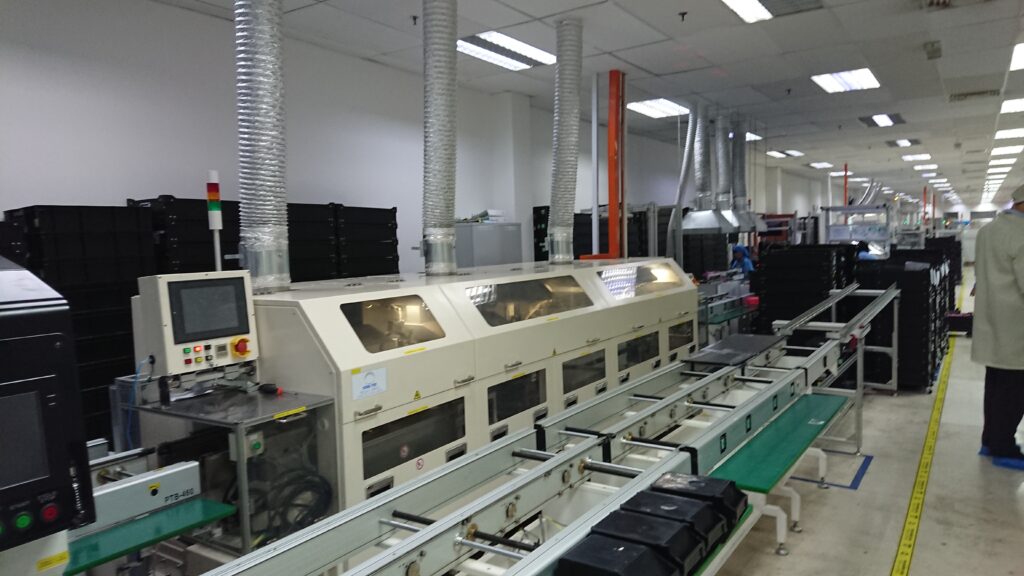
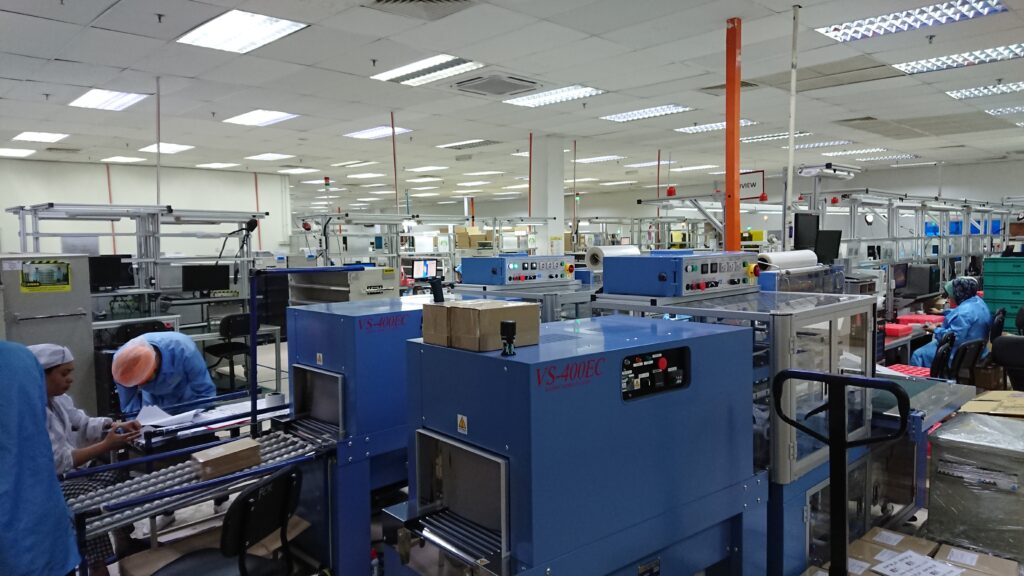
The technical visit included a detailed inspection of the production processes used to manufacture EDMI electricity meters.
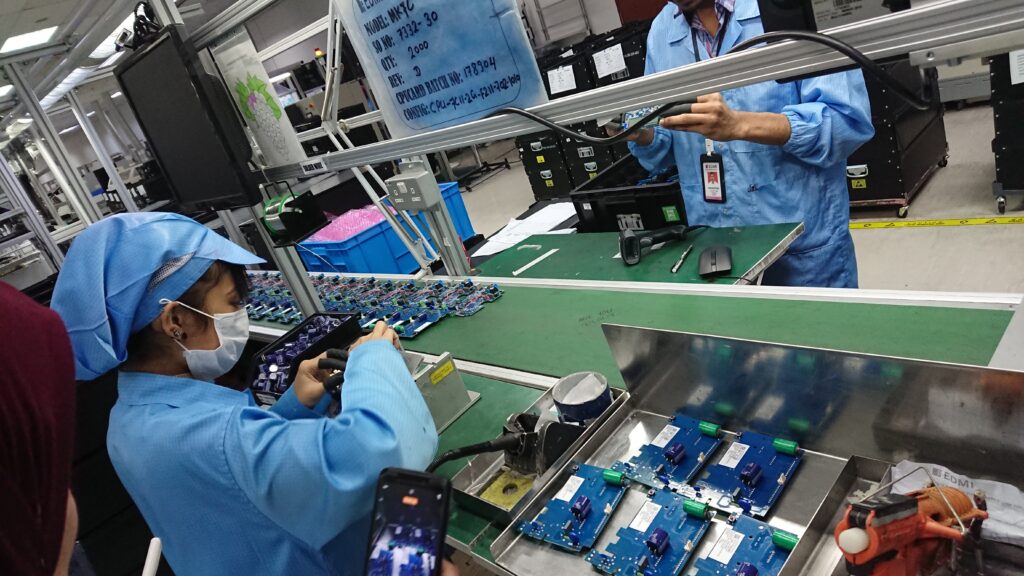
The facility included a fully automated FUJI surface-mount technology production line, which handled component placement, soldering, visual inspection and functional testing with limited human intervention.
The committee also inspected two semi-automated production lines used for electronic components requiring a combination of automated assembly and manual installation. The factory employed different soldering methods according to the type and sensitivity of the components, including hot-air soldering and solder-bath processes.
Quality inspections and functional checks were performed at the end of each production stage to identify potential defects before the product progressed to the next manufacturing step.
During the visit, the committee selected samples of the Genius Mk6N Class 0.5S meter directly from the production process for detailed examination and testing.
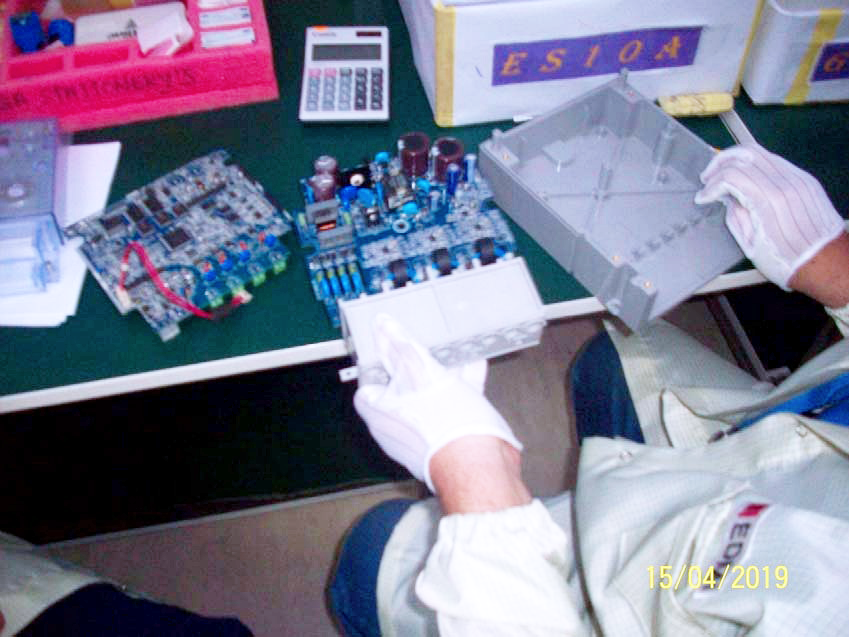
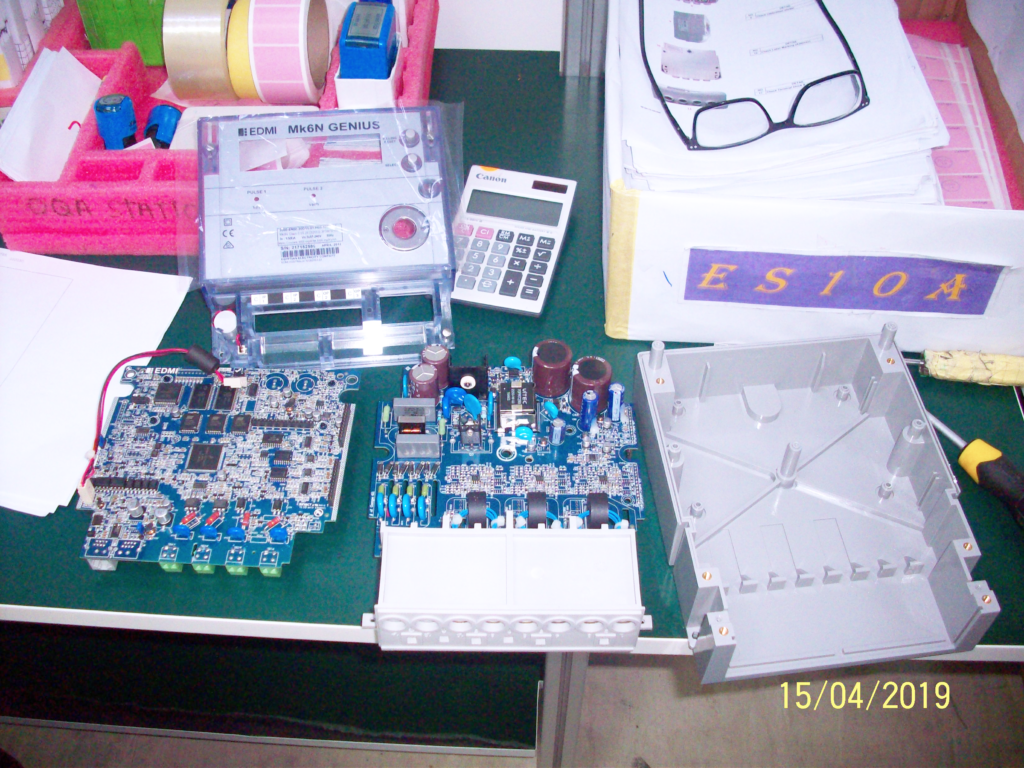
A meter was opened inside the inspection and quality-assurance department, allowing the committee to examine its internal printed circuit boards, electronic components and construction.
The inspected sample was compared with the meter and technical specifications submitted for approval in Egypt. The committee confirmed that the inspected production sample corresponded with the submitted model.
Before testing began, the committee reviewed the calibration certificate of the reference equipment and meter-testing system used for the factory evaluation.
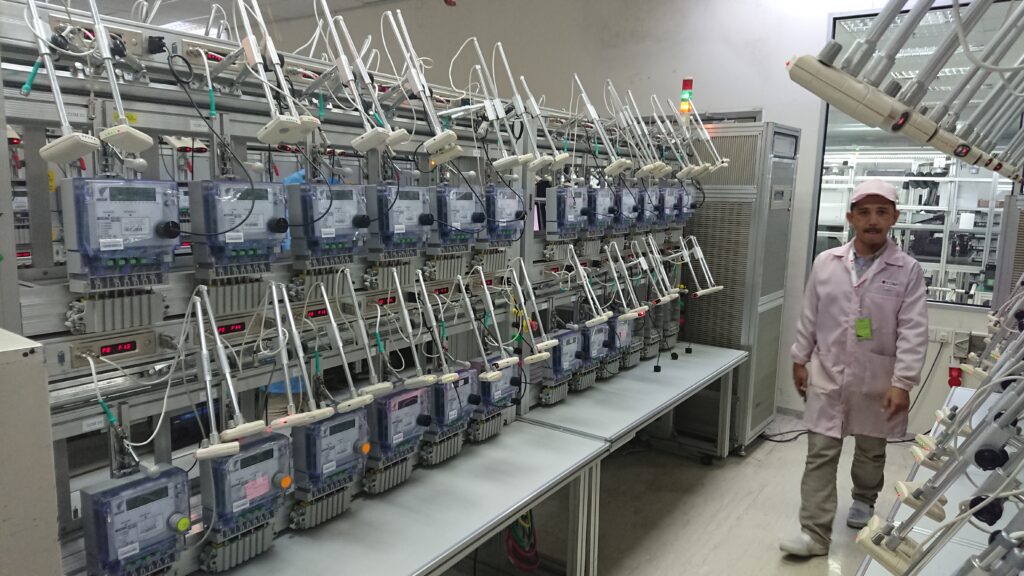
The selected Genius meters were then installed on the testing benches and subjected to the required routine and functional tests, including:
The main testing hall was reported to contain approximately 40 meter-testing systems, with each system capable of testing up to 48 three-phase meters. This provided a total testing capacity of approximately 1,920 meters during a single testing cycle.
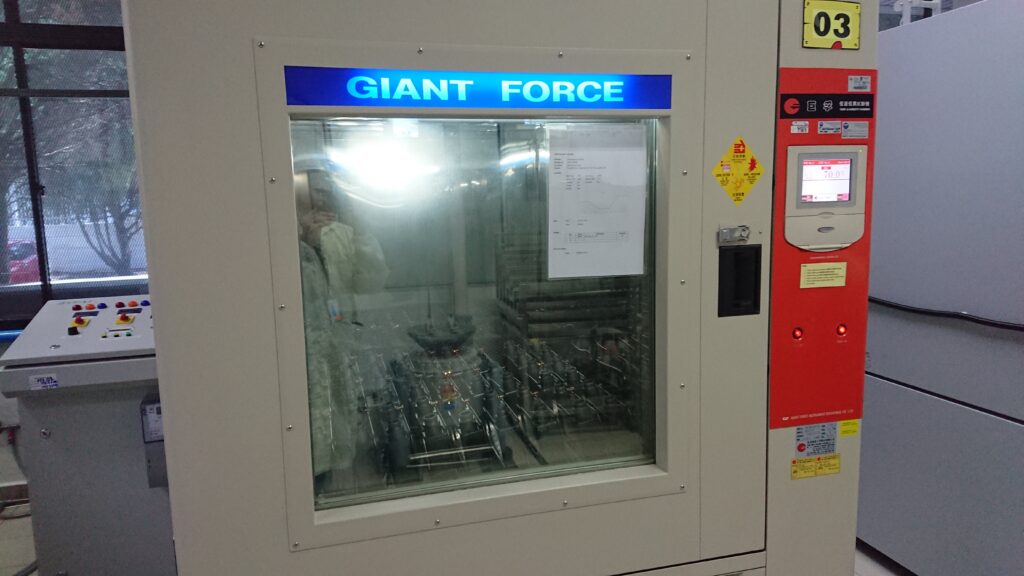
The committee also inspected EDMI’s environmental-testing facilities, including climate chambers used to evaluate meter performance under demanding temperature and humidity conditions.
According to the visit report, meters could remain under environmental testing for periods of approximately 10 to 12 weeks, during which they were exposed to repeated high- and low-temperature cycles.
These tests are designed to assess the stability, durability and expected long-term performance of the meter under different operating environments. The supporting documents also included a reliability-prediction report for the Mk6N meter.
The technical documentation reviewed for the Genius Mk6N included KEMA/DNV GL type-test records covering a three-phase, four-wire, transformer-connected electronic energy meter in accuracy classes 0.5S and 1.
The meter was tested in accordance with relevant international standards, including:
Following its inspection of the manufacturing facility, quality systems, production samples, calibration equipment and witnessed test results, the committee recommended the acceptance of the EDMI Genius Mk6N meter.
The subsequent approval documentation issued for the Egyptian electricity sector covered the transformer-connected three-phase Genius Mk6N meter under the technical requirements and conditions applicable at the time.
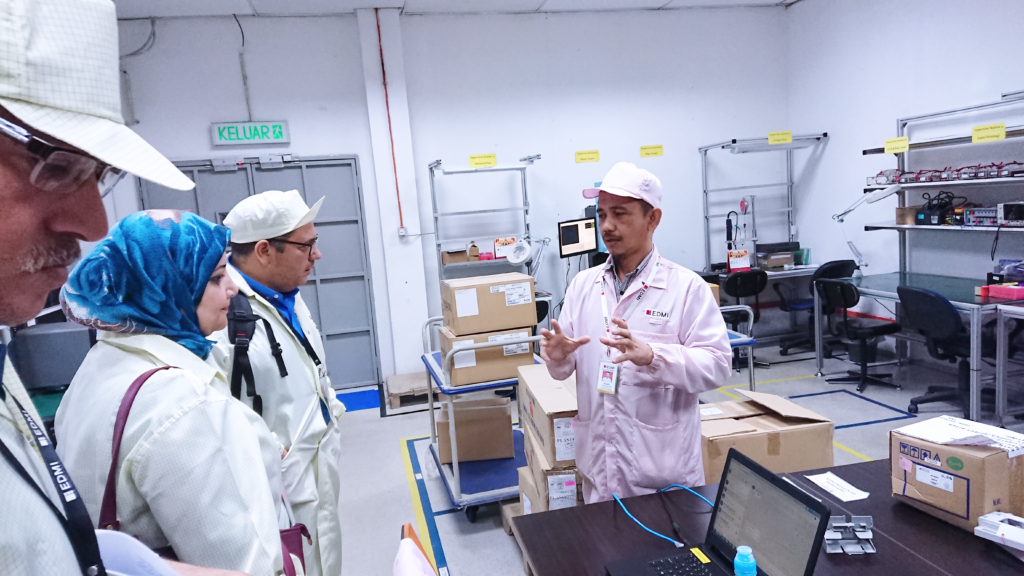
The visit represented an important stage in Infinity Egypt’s technical evaluation process and demonstrated the company’s commitment to ensuring that the technologies it introduces to the Egyptian market are supported by robust manufacturing procedures, traceable testing processes and recognized international standards.
Through its partnership with EDMI, Infinity Egypt continues to support the development of accurate, reliable and advanced energy-measurement solutions for Egypt’s electricity sector.