Technical Knowledge Sharing at North Cairo Electricity Distribution Company
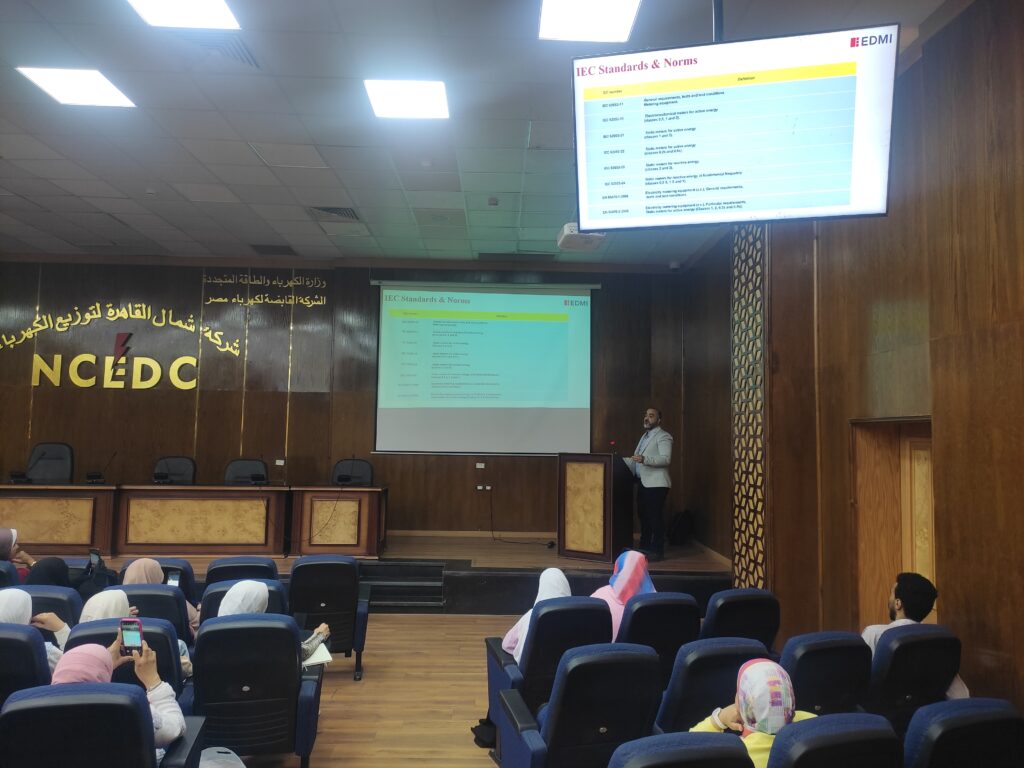
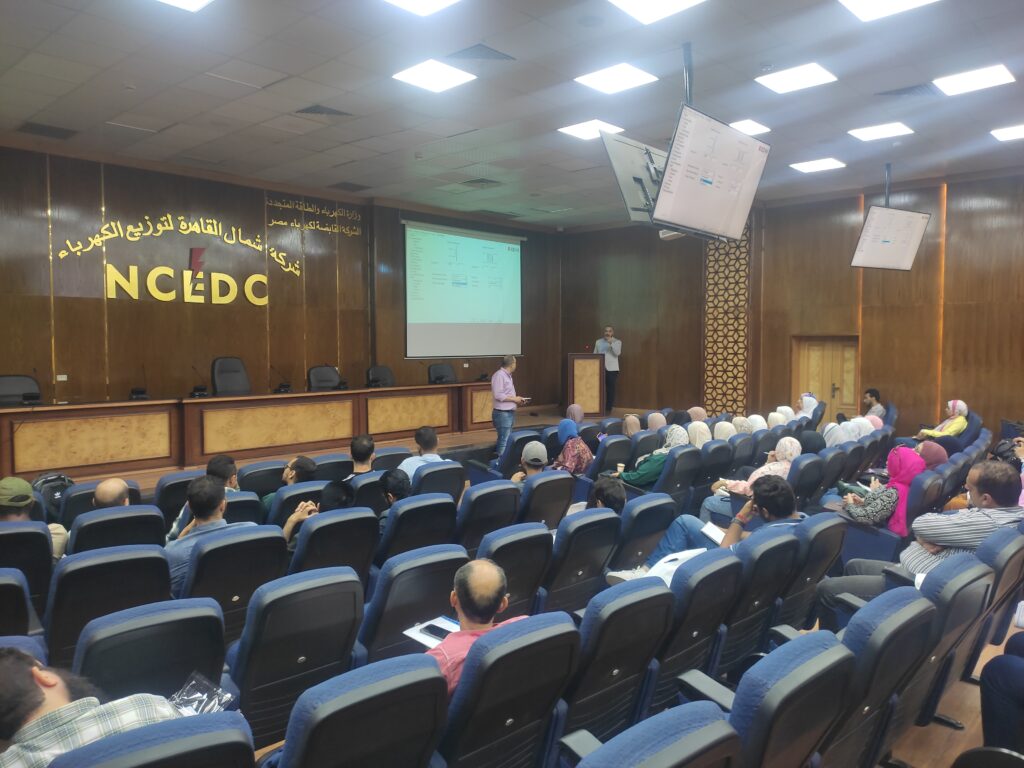
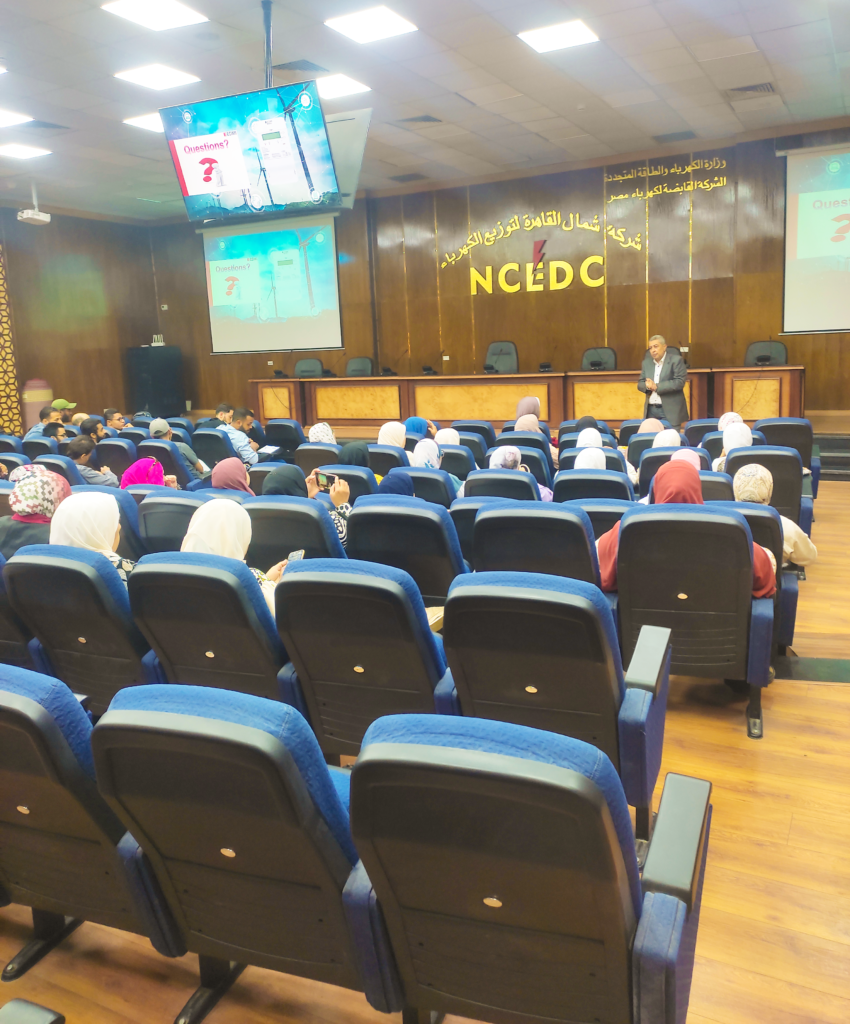
On August 6, 2025, Infinity Egypt delivered a specialized technical training session for engineers, managers and technical specialists from North Cairo Electricity Distribution Company (NCEDC), focusing on the advanced capabilities of the smart electricity meter.
Led by Eng. Ahmed Mohsen of Infinity Egypt, the session explored the transition from conventional electricity metering toward more intelligent, connected and data-driven metering infrastructure.
The training combined core energy-measurement principles with a detailed examination of the smart electricity meter including its hardware architecture, communication capabilities, power-quality functions, security features, international standards and advanced smart-meter applications.
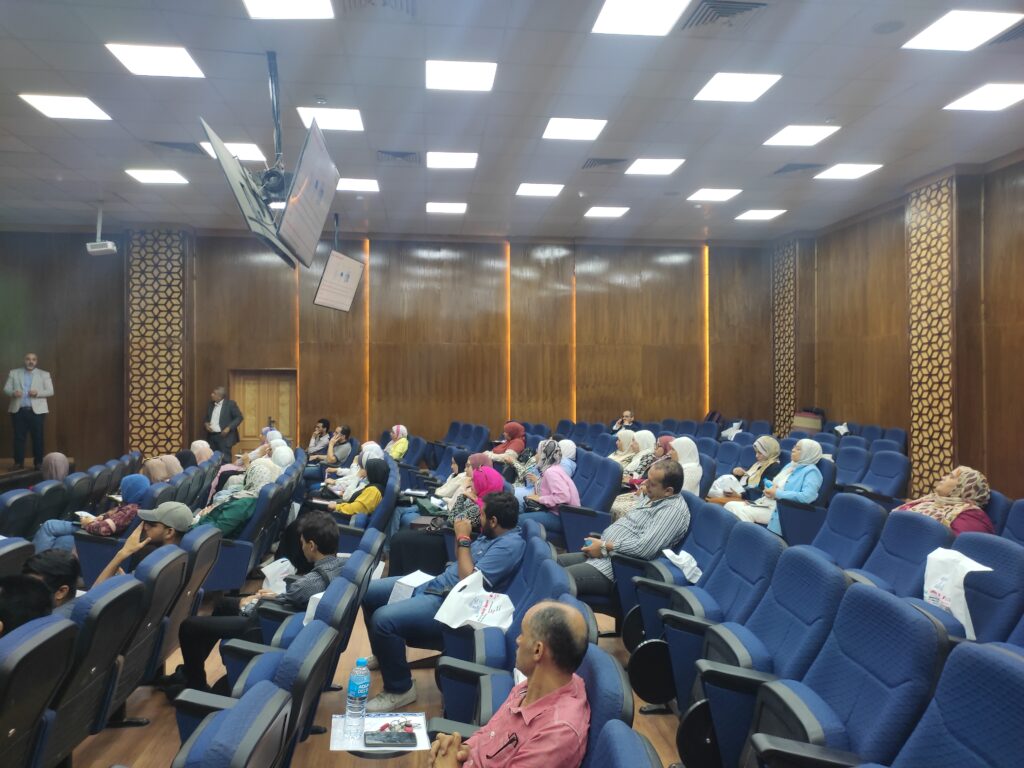
The attendance register recorded 49 participants, representing a broad mix of engineering, technical and managerial functions within NCEDC.
From Energy Measurement to Smart Metering
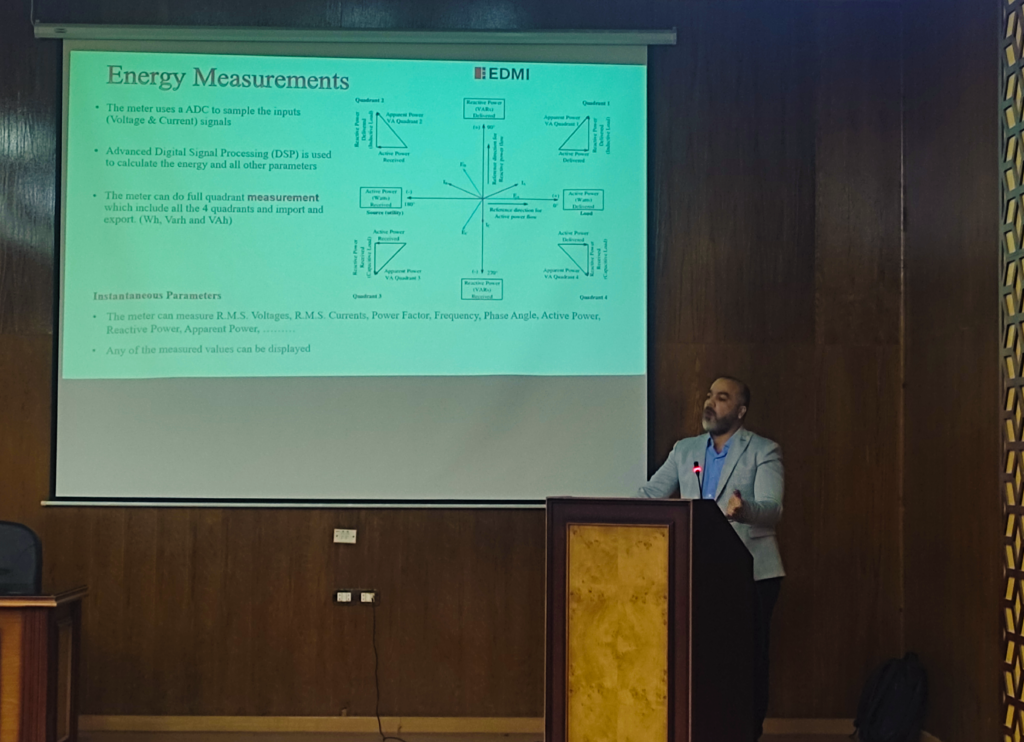
The session began by revisiting the fundamentals of electricity measurement before examining what differentiates a modern smart meter from a conventional metering device.
A key focus was the role of two-way communication, which enables smart meters to become active components within utility information and decision-making systems rather than simply recording energy consumption.
The discussion demonstrated how increasingly connected meters are becoming an important part of the digital transformation of electricity networks.
Key Highlights & Presentation Topics
Participants explored how modern smart-metering infrastructure can support:
- Remote meter reading and data collection.
- Two-way communication between meters and utility systems.
- Energy-consumption and demand analysis.
- Power-quality monitoring.
- Remote configuration and firmware updates.
- Integration with AMI, AMR, Head-End and supervisory systems.
- More efficient monitoring, diagnostics and operational decision-making.
The discussion demonstrated how increasingly connected meters are becoming an important part of the digital transformation of electricity networks.
Advanced Communications and System Integration
Communication was another central part of the training.
The Smart Meters supports multiple communication interfaces, enabling it to operate within different utility architectures and existing network infrastructures.
Communication options discussed included:
- LTE/GSM connectivity for remote monitoring and data collection.
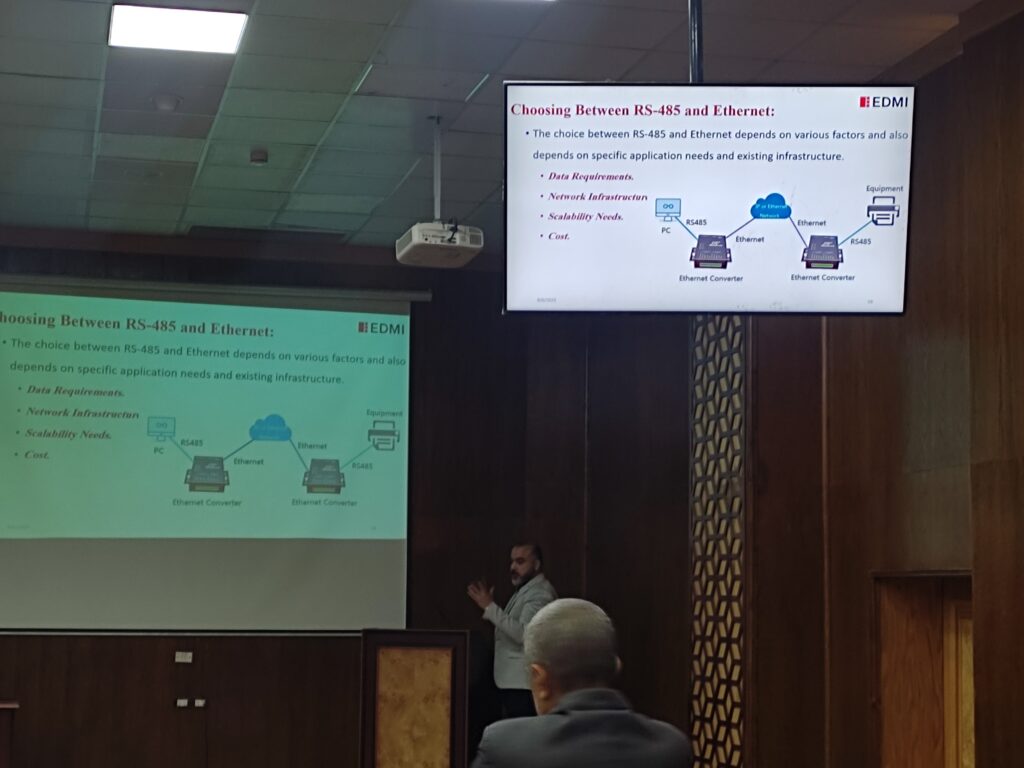
- Ethernet for high-speed network integration and remote access.
- RS-485 for reliable serial communications.
- Optical communication for local meter access and configuration.
The meter can support up to four independently operating communication ports, allowing greater flexibility when integrating metering devices with systems such as SCADA, Head-End Systems and substation-automation environments.
The session also reviewed several communication protocols relevant to connected electricity infrastructure, including:
DLMS / IEC 62056
Modbus RTU/TCP
DNP3
IEC 61850
These capabilities are increasingly important as utilities move toward interoperable systems where meters, communication networks and central platforms must operate as part of a unified infrastructure.
Going Beyond Meter Readings
The training highlighted that modern smart meters provide considerably more information than accumulated energy consumption alone.
Participants examined a wide range of functions, including:
Energy and demand measurement
Time-of-Use and tariff functions
Load surveys and data profiling
Customized LCD configuration
Pulsing inputs and outputs
Tamper detection and alarms
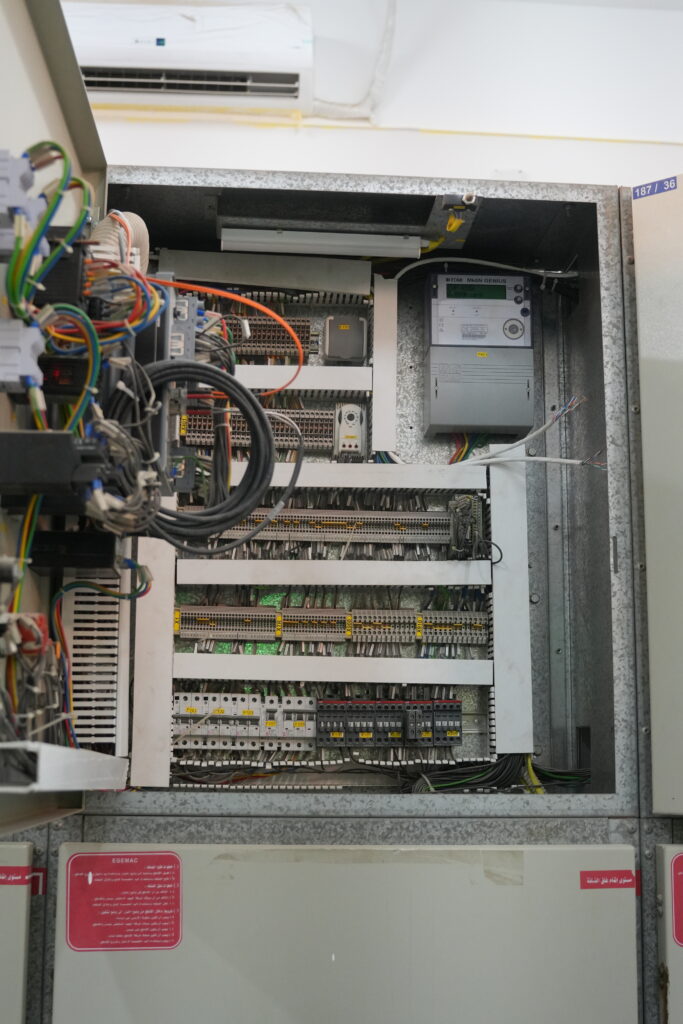
Another important area of the session was the growing role of electricity meters in monitoring quality of supply.
The Mk6ESL platform provides capabilities extending beyond traditional billing measurements, allowing utilities to gain additional visibility into electrical-network conditions.
Power Quality and Network Visibility
Topics included:
- Power-quality monitoring.
- Waveform capture.
- Sag and surge analysis.
- Vector diagrams.
- Statistical power-quality surveys.
- Event and alarm monitoring.
These functions can provide valuable information for engineers investigating network conditions, identifying abnormal events and analysing trends across electrical infrastructure.
Security, Firmware and Long-Term Flexibility
As smart meters become increasingly connected, cybersecurity and device lifecycle management become essential considerations.
The training covered the Mk6ESL’s support for DLMS Suite 0 and Suite 1 security, multilayer encrypted communications and the use of established security libraries within the meter platform.
Participants also discussed the importance of upgradeable firmware.
Firmware upgrades can allow utilities to introduce new functionality, address software issues, apply cybersecurity updates and support remote management without replacing installed metering hardware.
This ability to evolve after deployment is particularly important for infrastructure expected to operate over many years while communication, cybersecurity and utility requirements continue to develop.
International Standards and Product Compliance
The program also reviewed international standards and certification requirements related to electricity metering.
The Mk6ESL documentation presented during the session covered areas including:
- IEC metrological certification.
- MID certification.
- IEC 62052-31 safety certification.
- DLMS certification.
- Compliance with relevant metrological and communication requirements.
Understanding these standards is critical when evaluating smart-meter technology for utility and industrial applications, where measurement accuracy, safety, communication interoperability and long-term reliability must work together.
Strengthening Technical Knowledge Across Egypt's Electricity Sector
The participation of engineers, managers and specialists from different NCEDC functions reflected the increasingly multidisciplinary nature of modern smart metering.
Today’s electricity-metering infrastructure brings together metrology, communications, software, cybersecurity, power quality, data management and network operations.
Technical training therefore plays an important role in helping utility teams understand not only individual meter functions, but also how smart meters interact with the wider digital electricity ecosystem.
For Infinity Egypt, the session represented another step in its continued commitment to technical knowledge sharing, local engineering support and the development of advanced energy-measurement capabilities within Egypt’s electricity sector.
Through specialized technical training and access to advanced international metering technologies, Infinity Egypt continues to support electricity companies as they move toward more connected, reliable and future-ready energy infrastructure.