Advancing Technical Expertise in Smart Meter Installation, Programming and Advanced Metering Applications
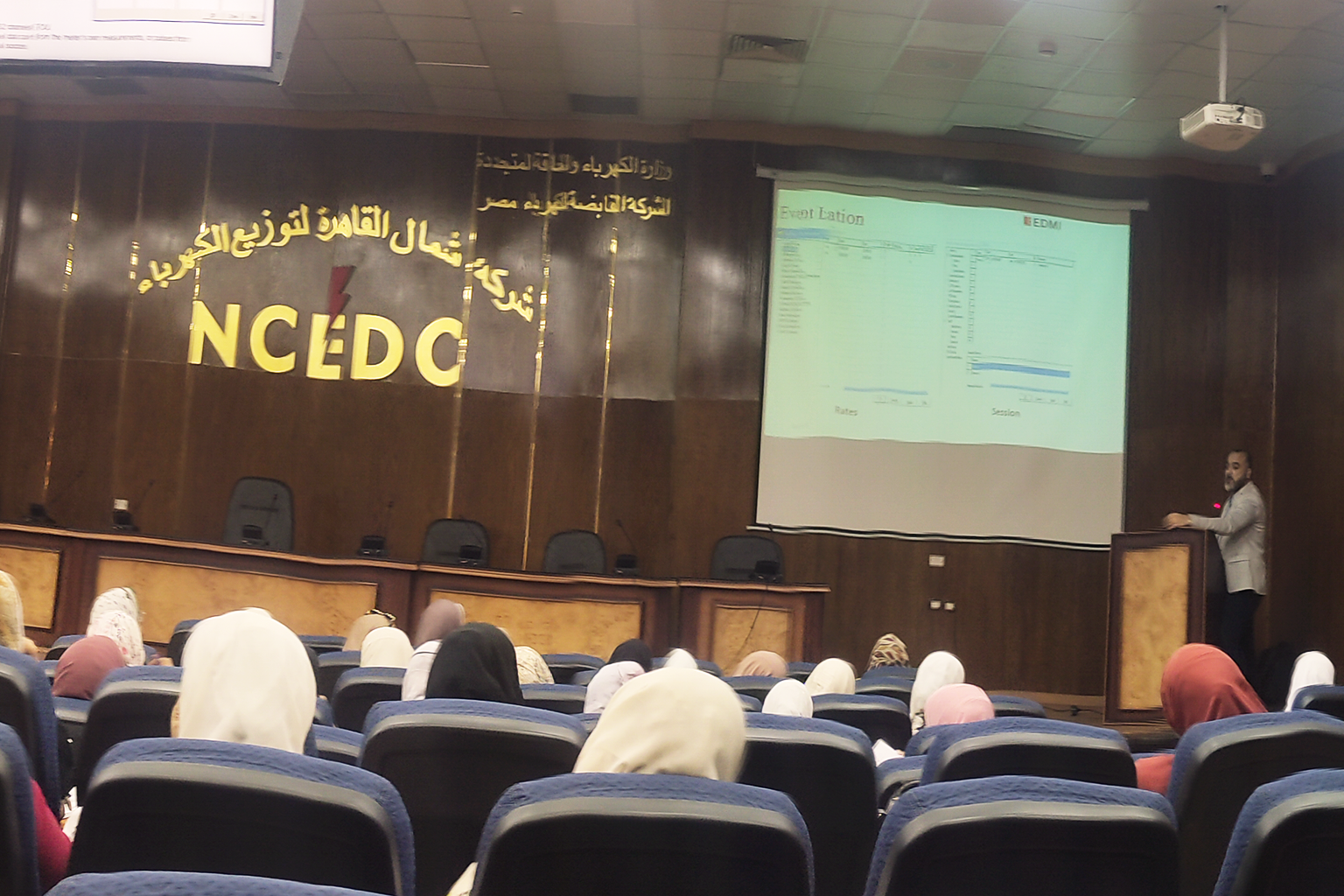
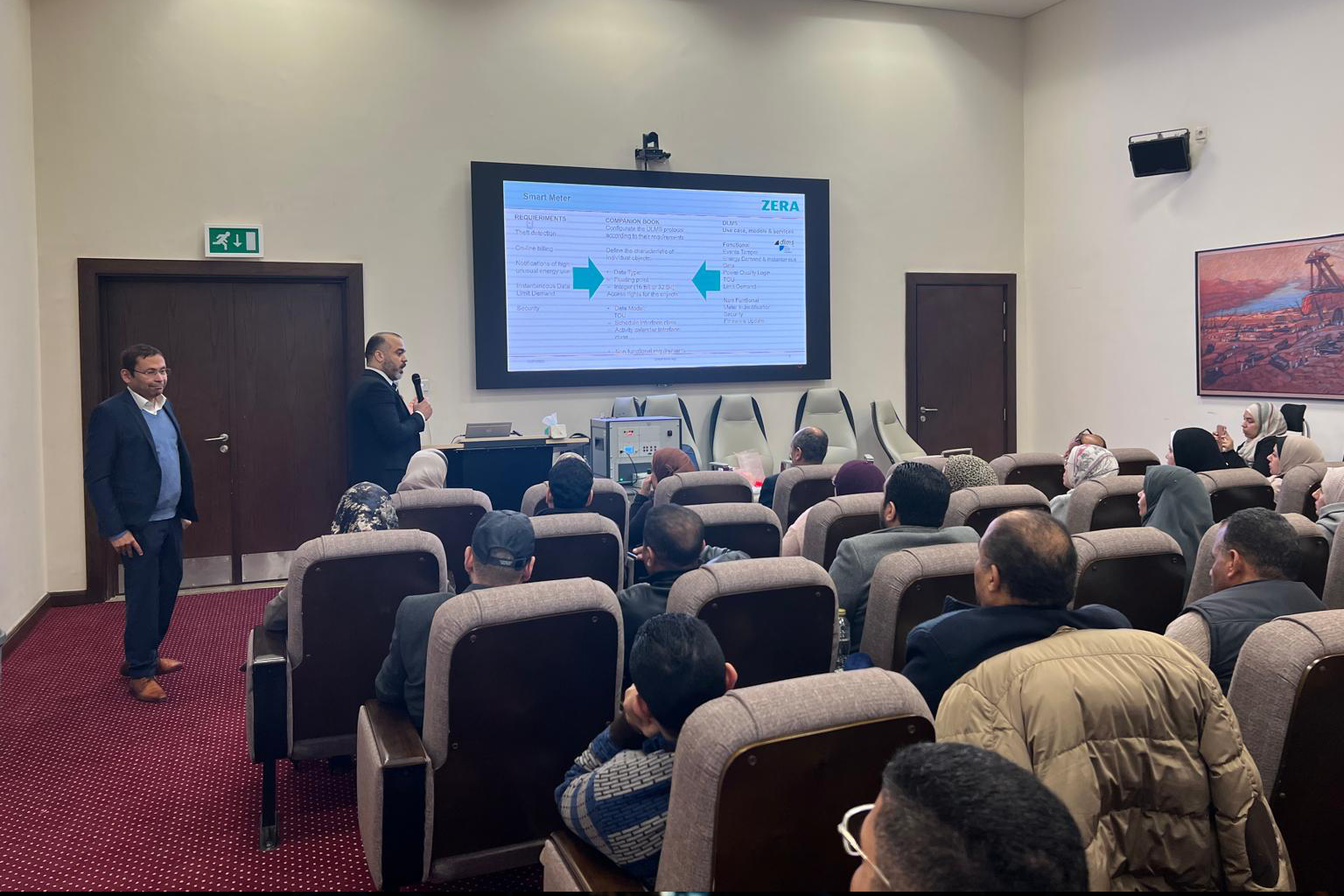
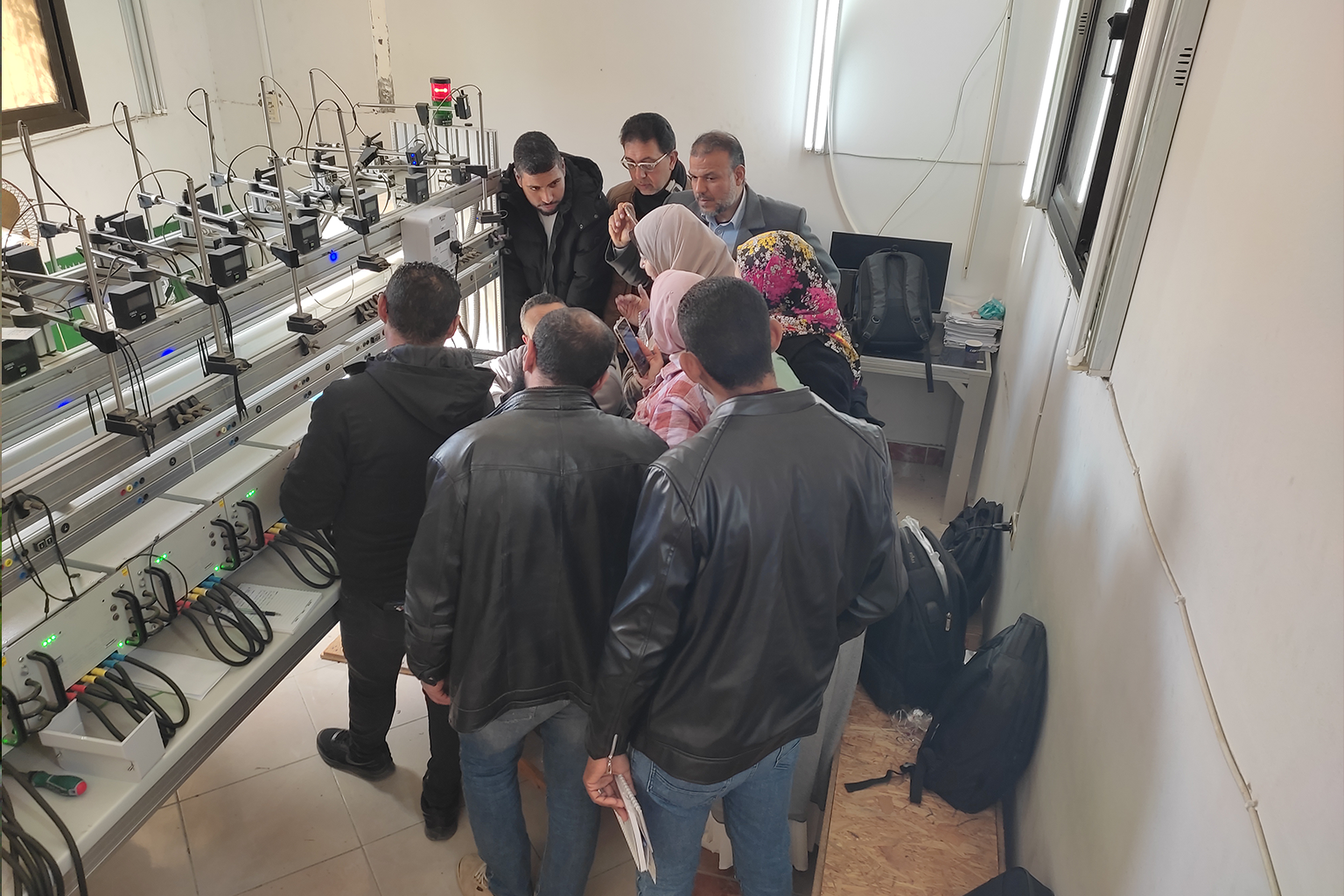
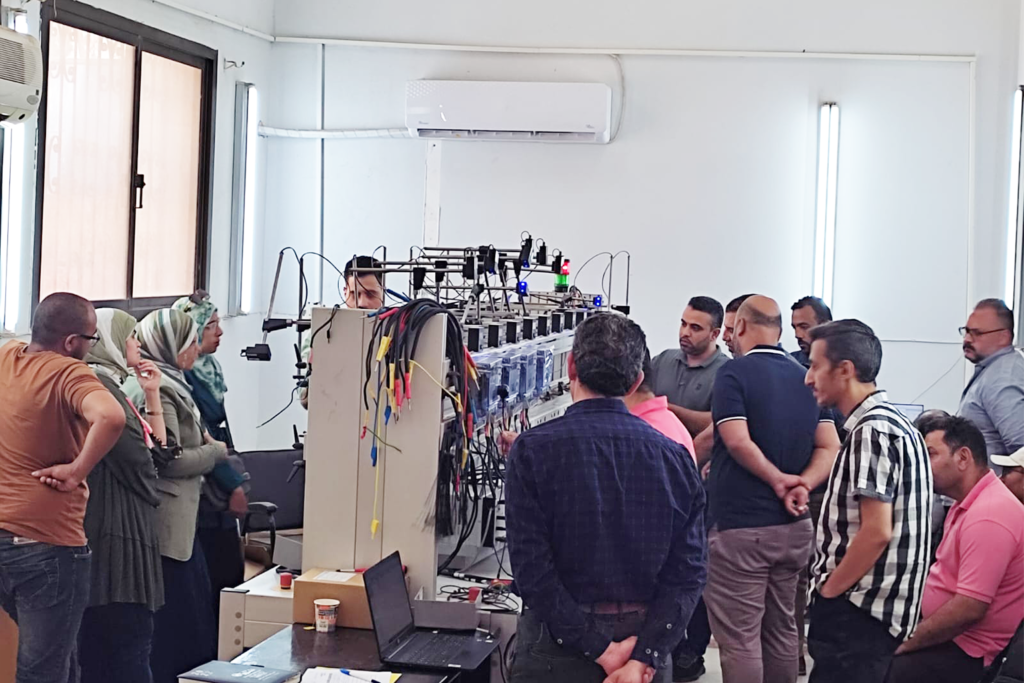
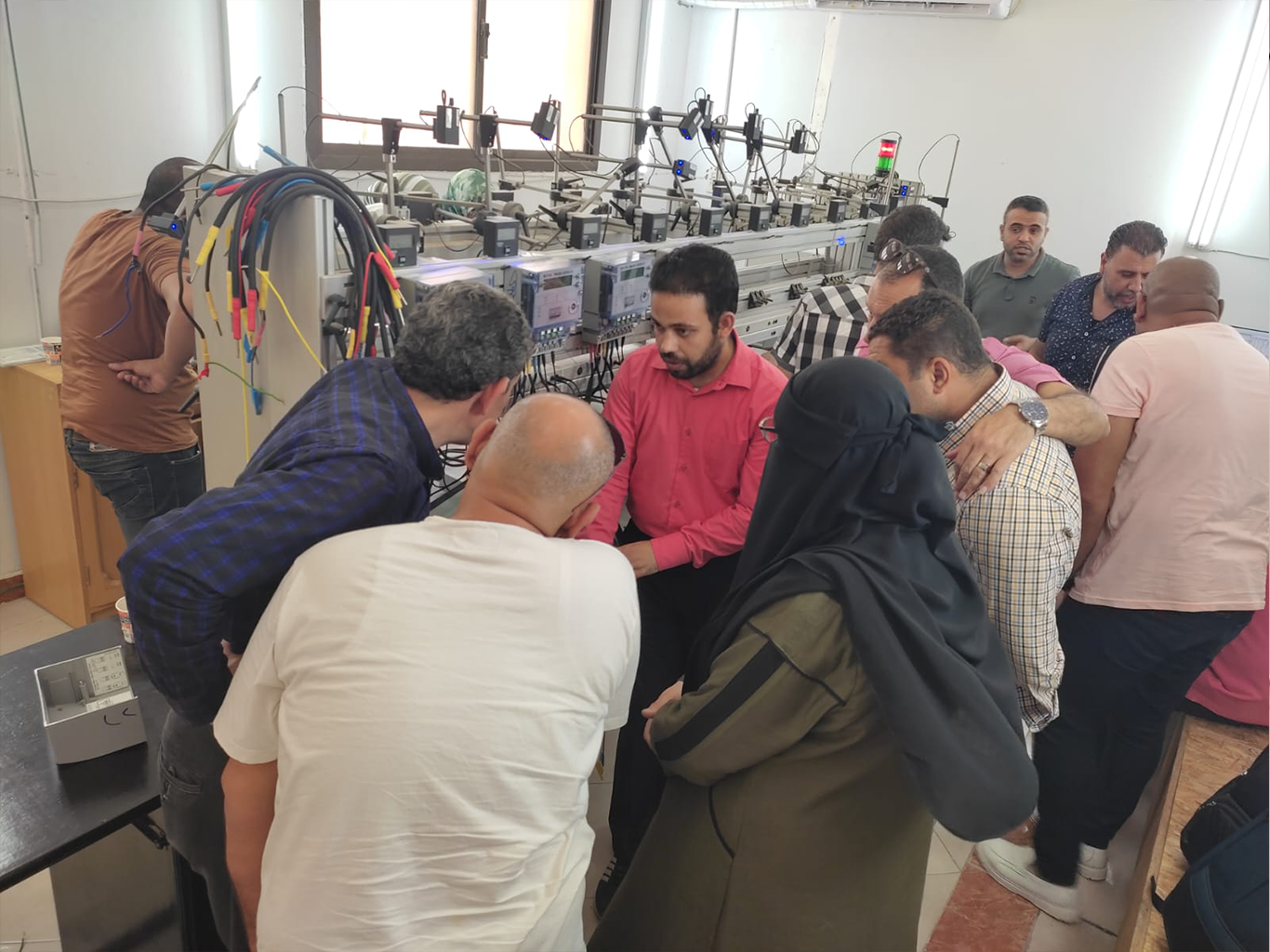
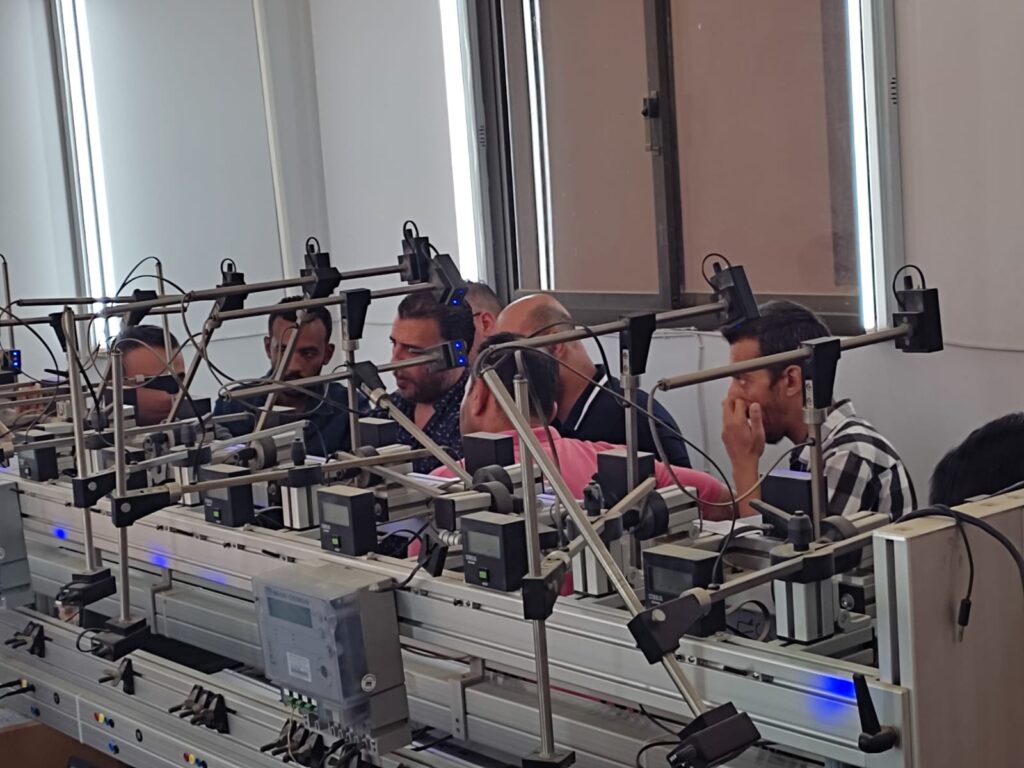
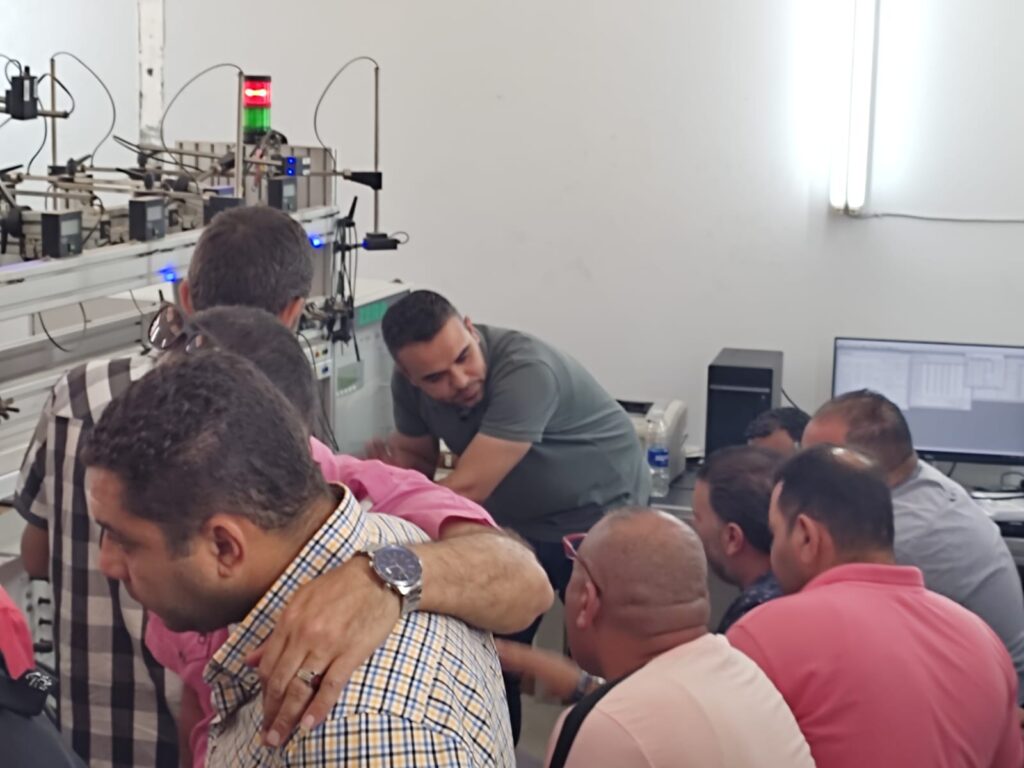
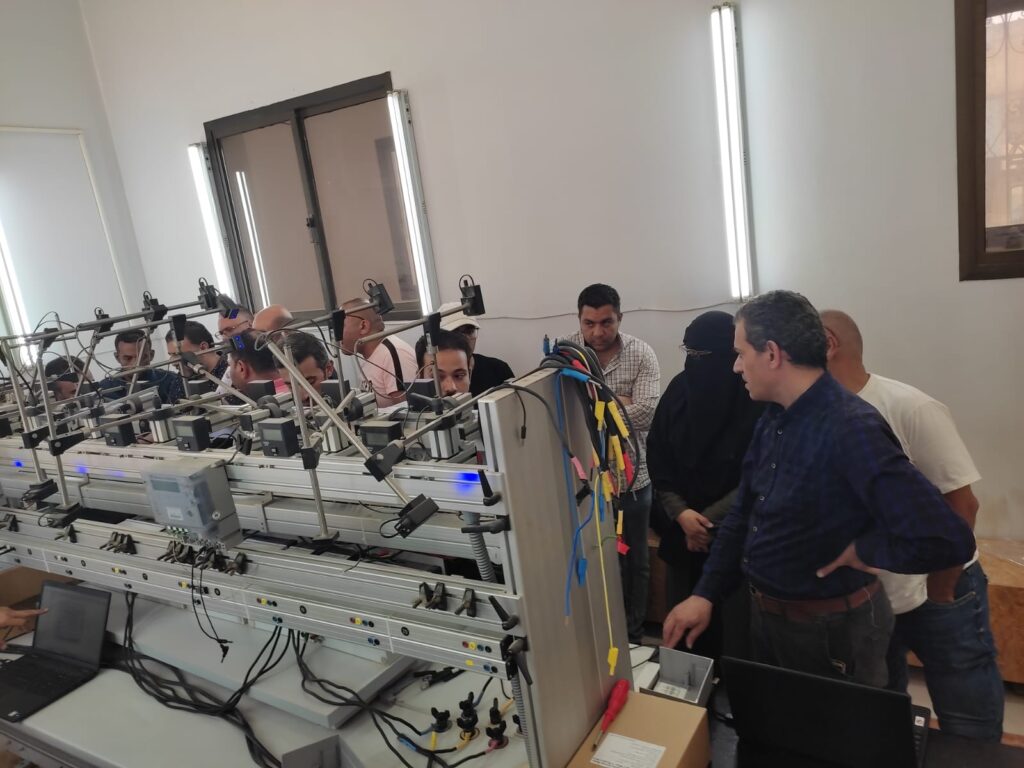
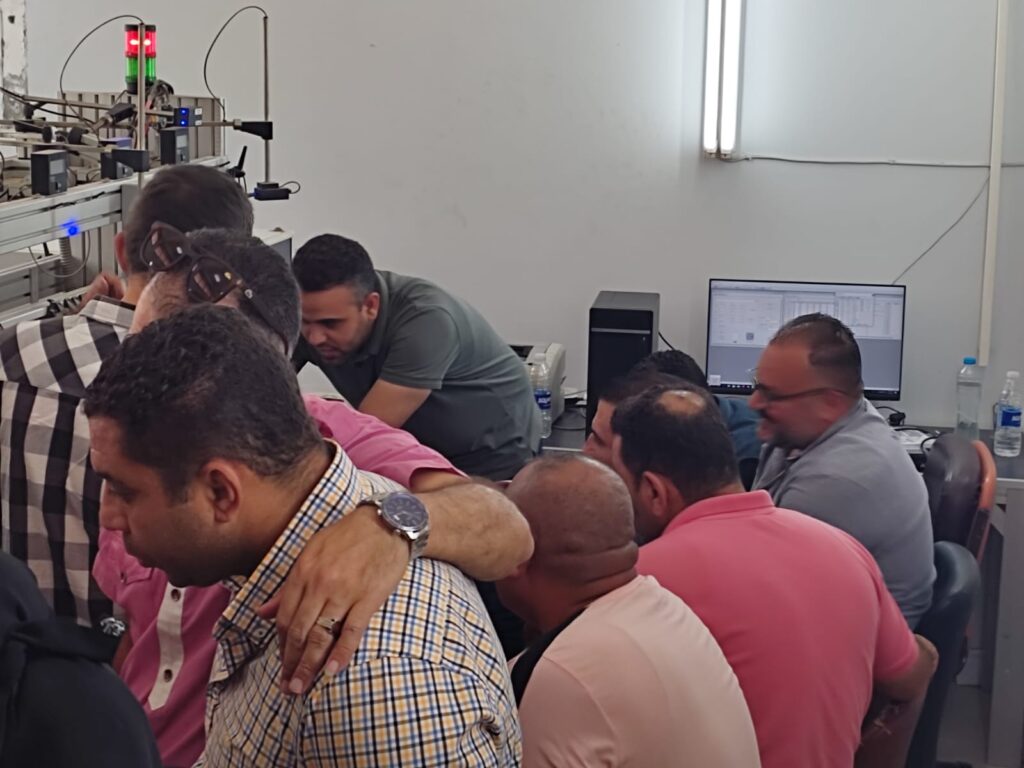
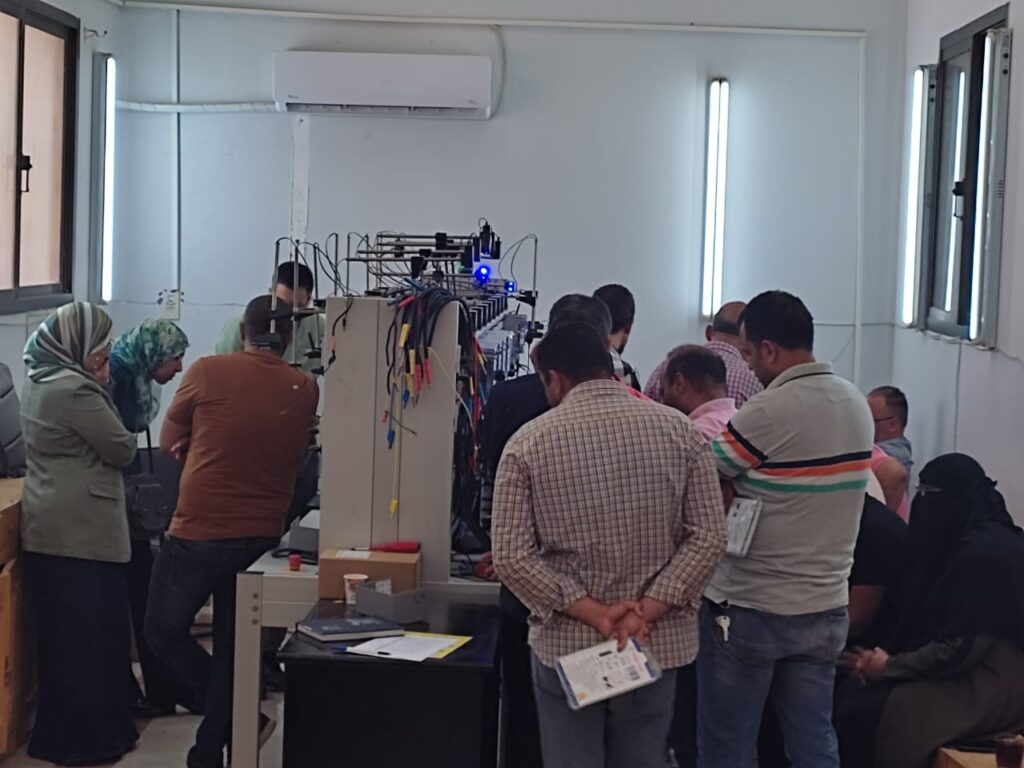
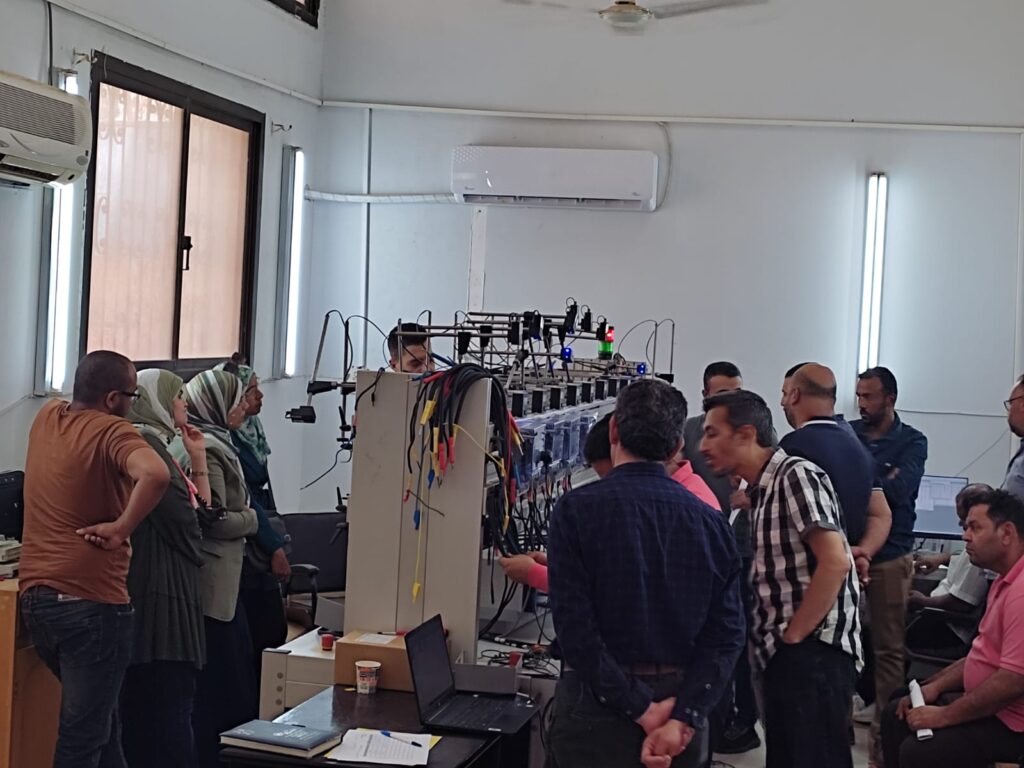
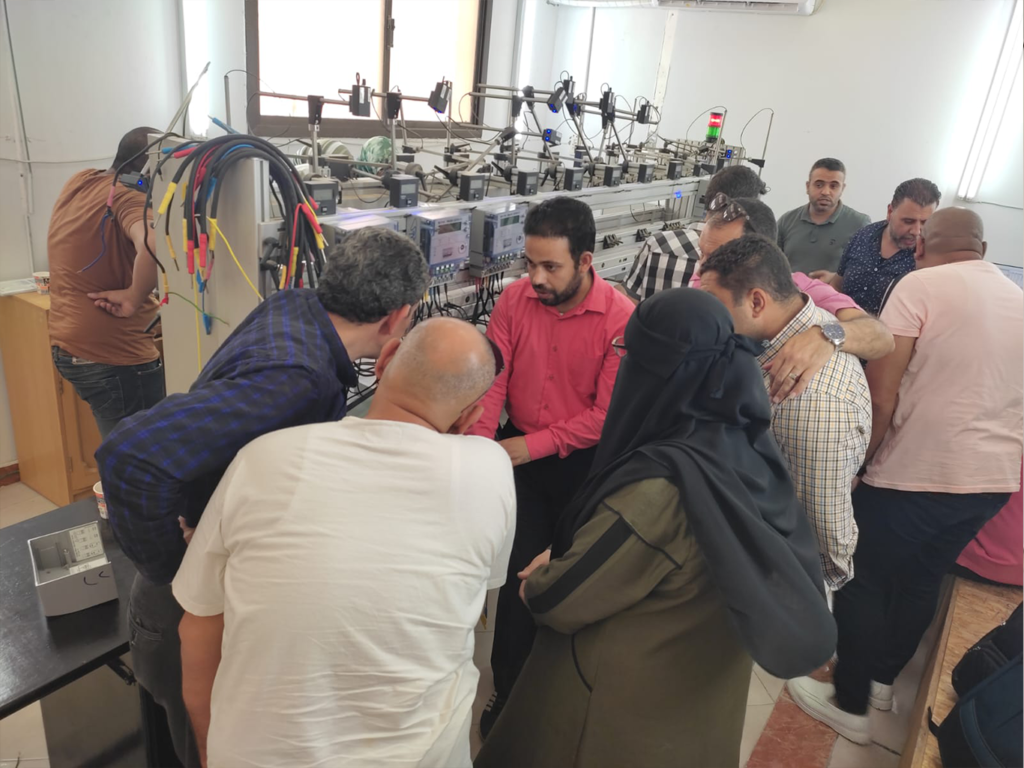
Infinity Egypt conducted a specialized technical training session for engineers from Canal Electricity Distribution Company (CCED) on 7 June 2023, focusing on the installation and programming of EDMI MK6N GENIUS energy meters.
The session was delivered by the Infinity Egypt technical team, with the training presentation led by Eng. Ahmed Mohsen.
The training formed part of Infinity Egypt’s ongoing commitment to technical knowledge transfer and to supporting Egypt’s electricity sector with advanced metering technologies and specialized engineering expertise.
Collaboration with Canal Electricity Distribution Company
The training was carried out in coordination with Canal Electricity Distribution Company, one of the organizations served by Infinity Egypt within Egypt’s electricity sector.
The official training correspondence identified Eng. Amal Mohamed Raheel, Head of the Meters and Prepaid Meters Sector, as the point of contact for the training coordination.
The requested training was intended for engineers from the company, with the session scheduled for Wednesday, 7 June 2023.
This collaboration reflects the importance of continuous technical development as electricity utilities adopt increasingly advanced metering technologies.
Key Areas Covered
Meter Installation
Meter Programming
Practical Application
Knowledge Transfer
Training at a Glance
The training presentation began with an introduction to Electronic Design and Manufacturing International (EDMI), covering the company’s background as a specialist manufacturer of electronic meters and its development of metering technologies for electricity utilities. The presentation highlighted EDMI’s main factory and R&D center in Brisbane, Australia, as well as its international manufacturing presence.
Participants were then introduced to the technical requirements behind modern electricity metering, including challenges that can affect measurement accuracy under conditions such as:
- Rapidly changing load conditions
- High levels of harmonics
- DC offsets caused by half-wave rectified loads
- External magnetic fields
The presentation positioned EDMI’s metering solutions around functionality, accuracy, installation, power quality and data analysis, with applications across distribution, transmission and generation utilities.
A dedicated part of the training addressed the standards applicable to the metering platform, including:
- IEC 62052-11
- IEC 62052-31
- IEC 62053-22
- IEC 62053-24
- EN 50470-1
- EN 50470-3
The presentation also introduced the metering hierarchy covering LVCT, MVCT and HVCT applications and demonstrated how advanced energy meters can be deployed across substations, power stations and grid-metering applications.
A major section of the training focused on how the meter measures and processes electrical quantities.
Participants were introduced to the use of ADC sampling for voltage and current signals and Digital Signal Processing (DSP) for calculating energy and other electrical parameters.
The presentation covered four-quadrant energy measurement, including import and export measurements for Wh, Varh and VAh, as well as maximum-demand recording with date and time information.
The meter’s instantaneous measurement capabilities were also discussed, including:
- RMS voltage
- RMS current
- Power factor
- Frequency
- Phase angle
- Active power
- Reactive power
- Apparent power
The training also covered the configuration of the meter’s LCD display.
The presentation explained how measured values can be selected and displayed according to the application’s requirements, with programmable units, multipliers and decimal points.
The display can support up to 64 programmable screen pages, organized into groups with either automatic or manual scrolling. The default display can provide information such as time and date, active tariff, watt direction, VAR direction and internal alarms.
This part of the training helped participants understand how the meter’s local interface can be configured to make relevant operational information readily accessible.
One of the central practical elements of the training was the use of EziView, the software environment presented for configuring and managing the meter.
The training included practical configuration topics such as time setup, LCD configuration, tariff configuration, meter status and online variables.
The presentation demonstrated how engineers can interact with meter parameters and configure different functions through the software interface.
This software-based approach was particularly important to the training objective of developing practical skills in meter programming and configuration.
Another important topic was the meter’s ability to detect and record different types of abnormal conditions and tampering events.
The training covered:
- Phase Sequence Reversal
The meter can continue recording energy accurately regardless of the phase sequence of the supply.
- Missing Neutral
The meter can continue recording according to the electrical connection when the neutral potential supply is disconnected.
- Missing Potential
The meter can detect and record missing potential on one or more phases.
- Current Reversal
The meter can detect current reversal and identify the affected phase while maintaining relevant energy registers.
- CT Shorting / CT Open
The meter can detect and record current-circuit shorting and open-circuit conditions.
The presentation also highlighted 14 different alarm types and the ability to monitor fault conditions through the meter’s LCD.
The training went further into advanced tamper detection.
The system can monitor tamper events across phases A, B and C, trigger log events when voltage drops below 10% of nominal, record reverse-current conditions and store selected TOU energy information associated with phase loss and restoration events.
The presentation noted that more than 100 log events can be stored for later retrieval.
Participants were also introduced to the Alarm Manager, which can monitor conditions such as sag, swell and predefined registers and respond when an alarm condition is triggered.
Tariff management was another major component of the training.
The presentation explained that the meter can be configured for up to 8 rates, while storing energy, maximum demand and the time of maximum demand for current, previous and cumulative billing periods.
The training then moved into the practical configuration of the Tariff Changer function.
Participants were shown the configuration workflow, including:
- Configuring the rate
- Setting up pulsing inputs
- Configuring the Tariff Changer toolbox
- Checking tariff changes
- Verifying the resulting tariff status through EziView
The presentation also covered Time of Use (TOU) functionality, including up to 32 TOU channels, with channel data coming from the meter’s own measurements or pulses from external sources.
Participants were also introduced to the meter’s Survey / Load Profile capabilities.
The presentation explained that up to 10 different load profiles can be configured, with measured quantities such as energy, instantaneous parameters and maximum demand available for inclusion in the survey.
The training also demonstrated energy analysis involving fundamental energy and energy including or excluding harmonics, including the use of these measurements within TOU applications.
Security was another important aspect of the training.
The presentation covered multilevel access security, supporting up to 20 users, with each user assigned a username, password and access level.
It also described up to 10 programmable access levels, together with hardware protection for calibration settings.
For data security, the meter uses dual storage mechanisms, including non-volatile flash memory and battery-backed RAM, with critical data stored in both types.
The training also explored the meter’s capabilities beyond conventional revenue metering.
A dedicated section addressed Power Quality, including:
- Waveform capture
- Vector / phasor diagrams
- Sag and surge analysis
The presentation highlighted the meter’s ability to provide instantaneous and continuous voltage and current vector information for up to three phases.
These functions allow advanced meters to provide engineers with additional visibility into electrical-network conditions beyond basic energy consumption.
One of the more advanced subjects in the presentation was the use of scripts.
Scripts were presented as programs that can be downloaded to the meters to modify or extend their characteristics according to individual customer requirements.
The training introduced examples including:
- Append Script
- Pulse Summation
- Dual Meter Summation
- Cascade Meter Summation
- Tamper Detection
- Load Surveys
- Sag & Surge functions
The presentation then demonstrated specific applications.
Preparing for the Future of Revenue Metering
The training concluded by looking at the evolution of revenue-metering applications.
The presentation highlighted capabilities including:
- Active and reactive energy measurement
- Maximum demand
- Time of Use
- Power factor and phase angle
- Power-quality monitoring
- Advanced communications
- LAN / Internet connectivity
- Field programmability
- AMI / AMR applications
- Additional advanced features
This broader perspective demonstrated how modern smart meters can move beyond traditional energy measurement toward more connected, programmable and data-rich energy-management infrastructure.
Supporting Technical Capability in Egypt's Electricity Sector
The 7 June 2023 training reflects Infinity Egypt’s approach to combining advanced international metering technology with practical technical knowledge and local engineering support.
For electricity utilities, the successful deployment of smart-metering technologies depends not only on the equipment itself, but also on the ability of engineers and technical teams to install, configure, operate and troubleshoot these systems effectively.
Through technical training and knowledge transfer, Infinity Egypt continues to support its customers in developing the capabilities required for modern energy-measurement infrastructure.
This is consistent with Infinity Egypt’s broader focus on smart meters, meter testing, calibration and grid-modernization technologies within Egypt’s electricity sector.
Event Gallery
Browse more news