Technical Knowledge Sharing in Advanced Smart Metering
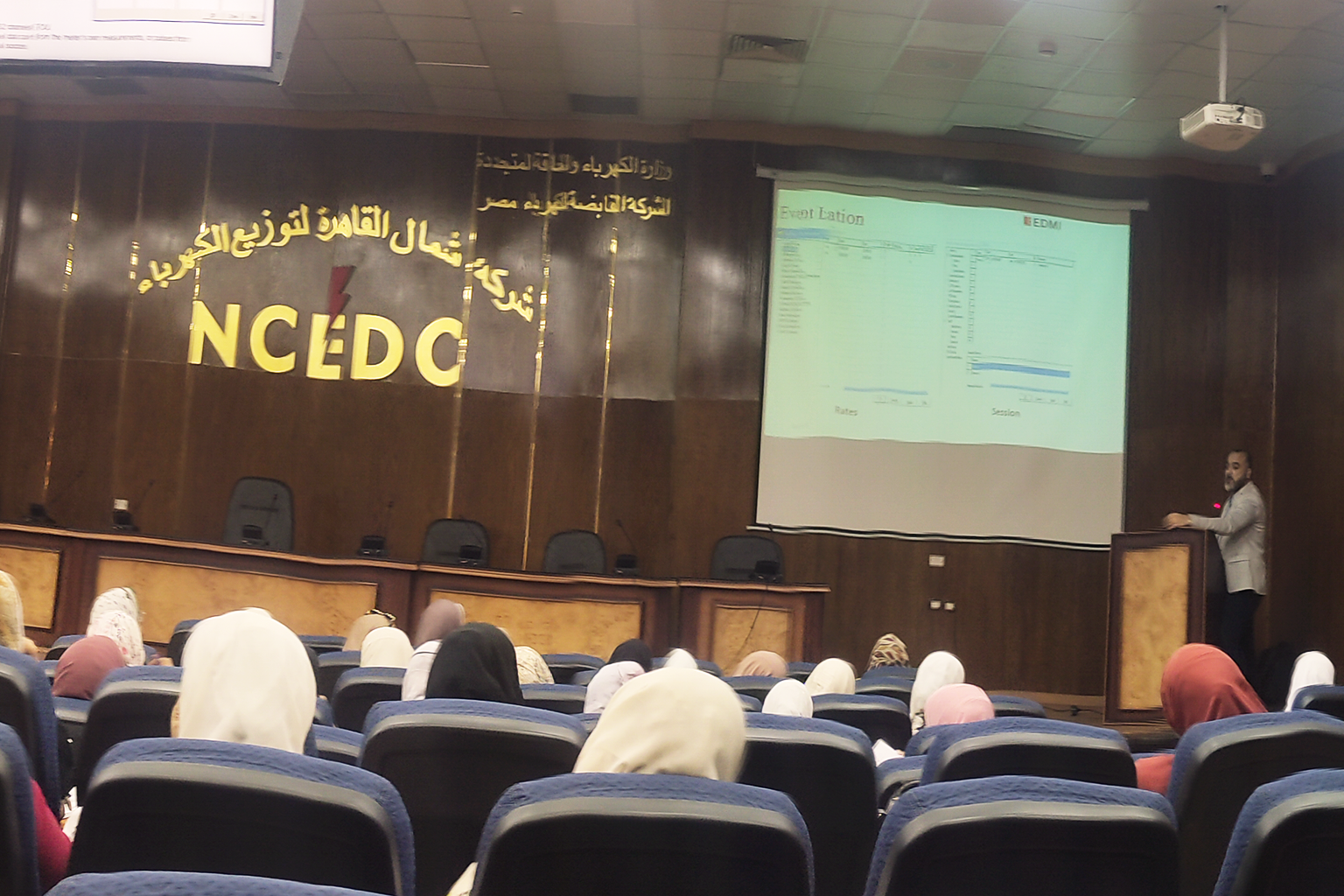
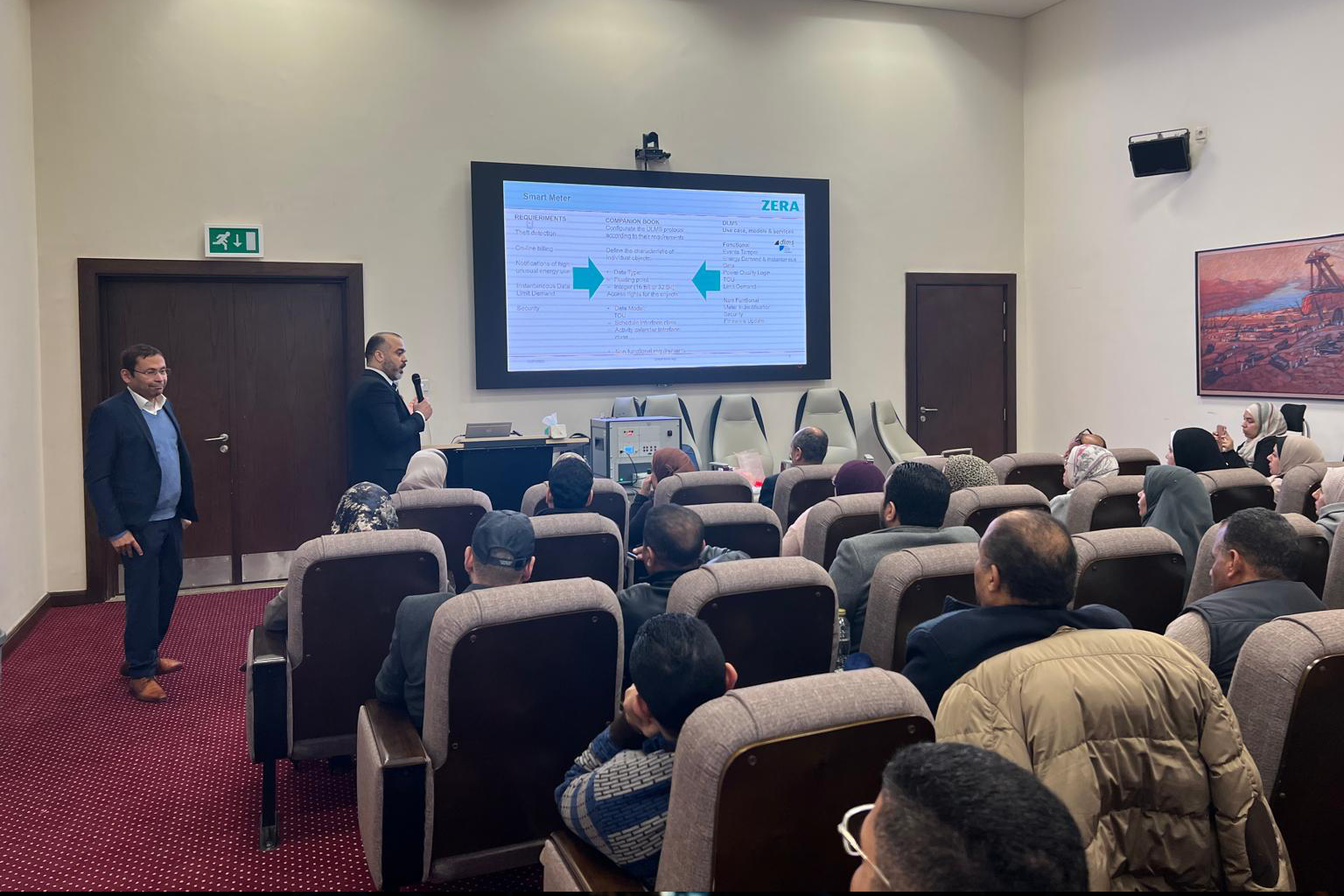
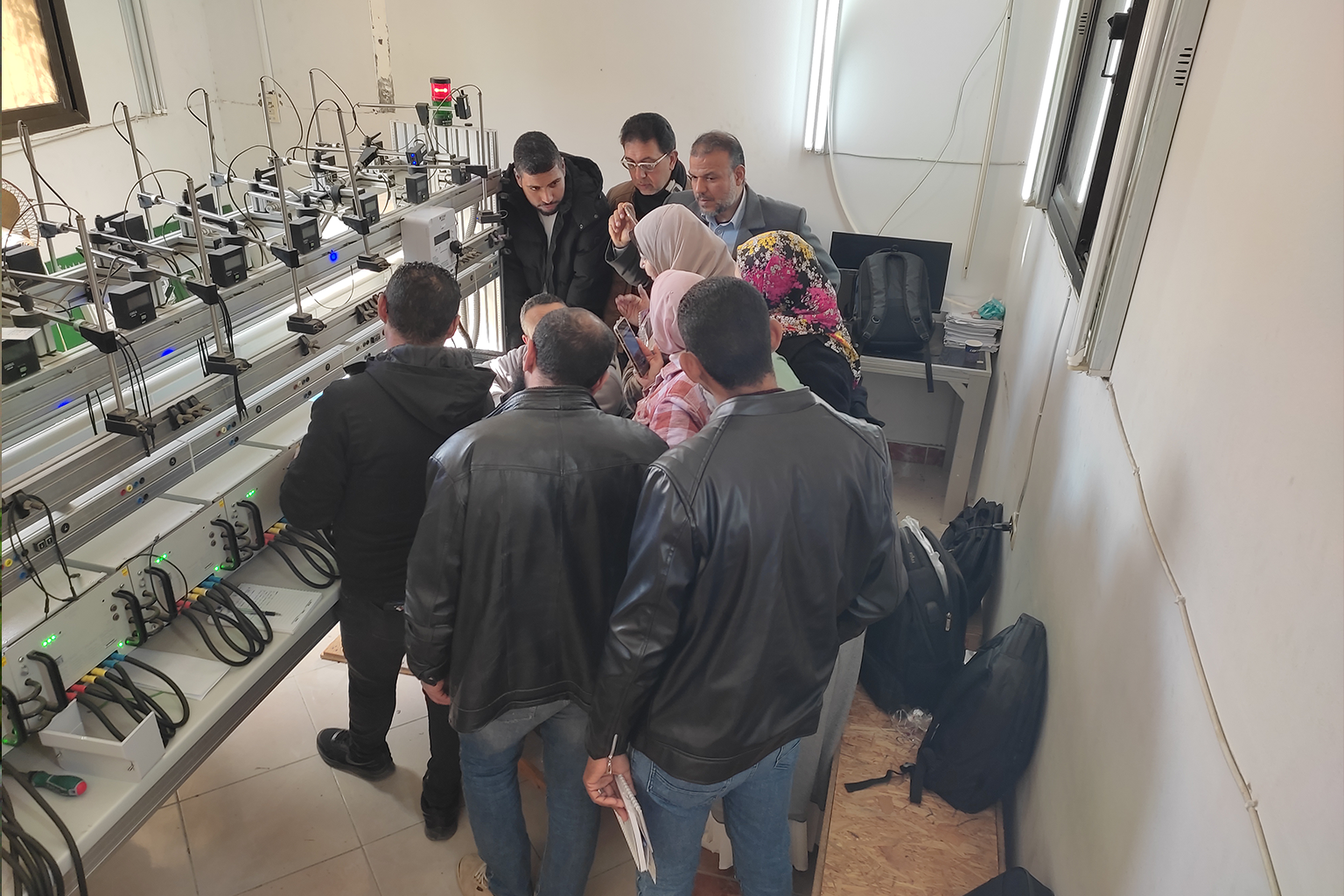
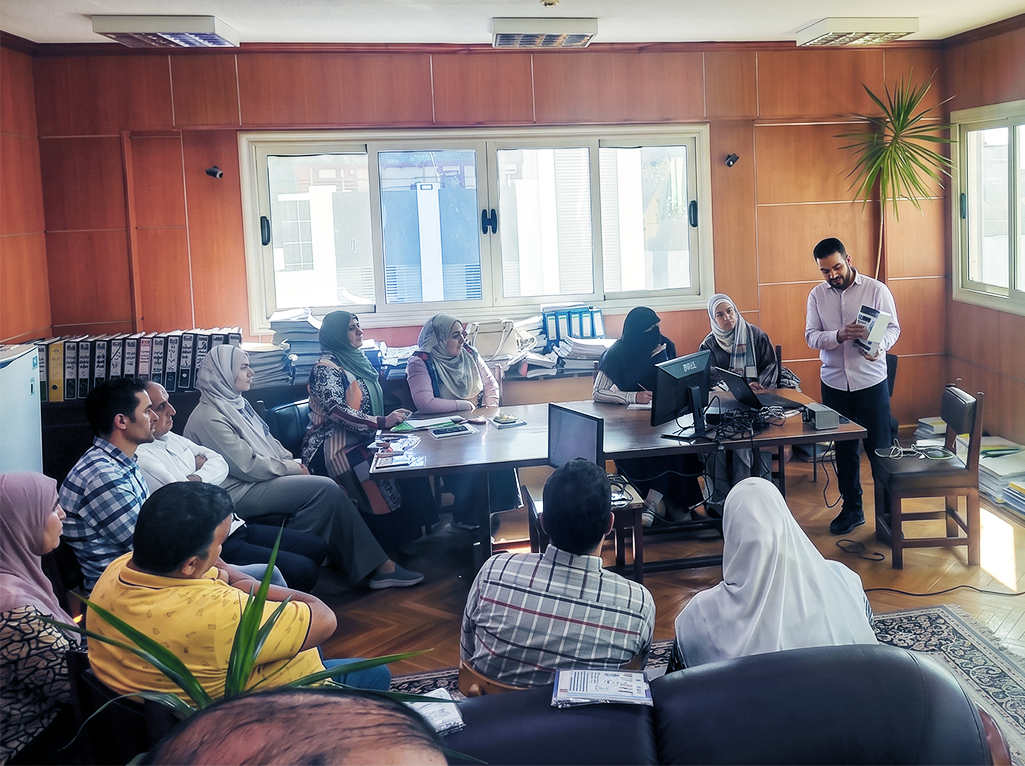
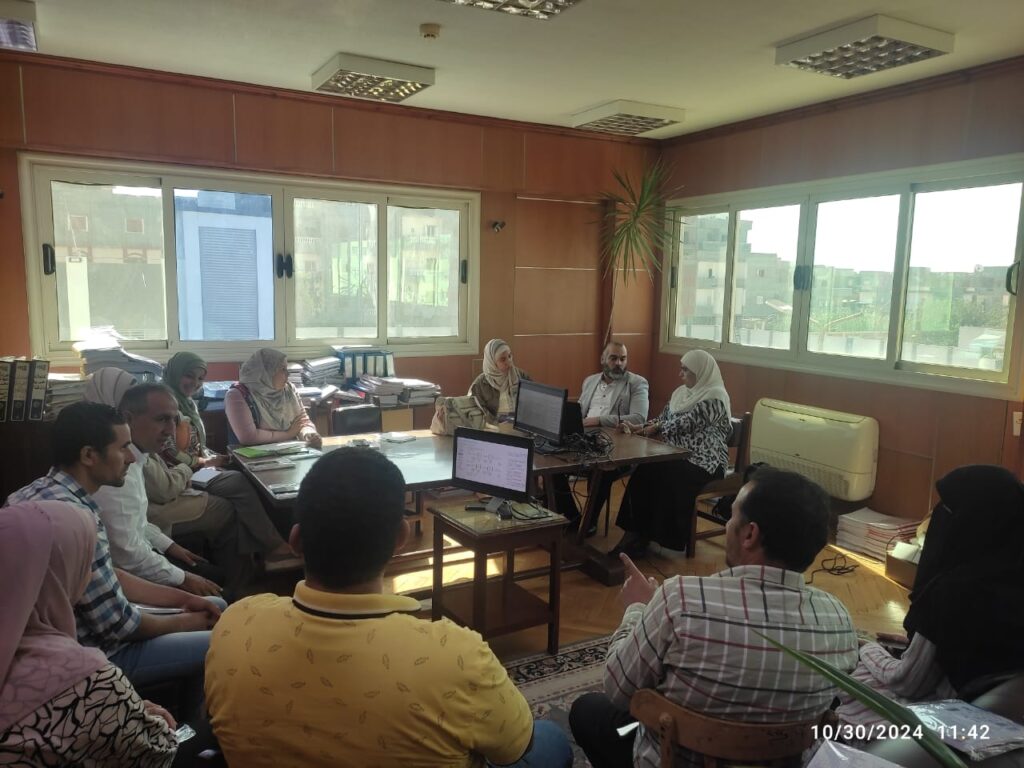
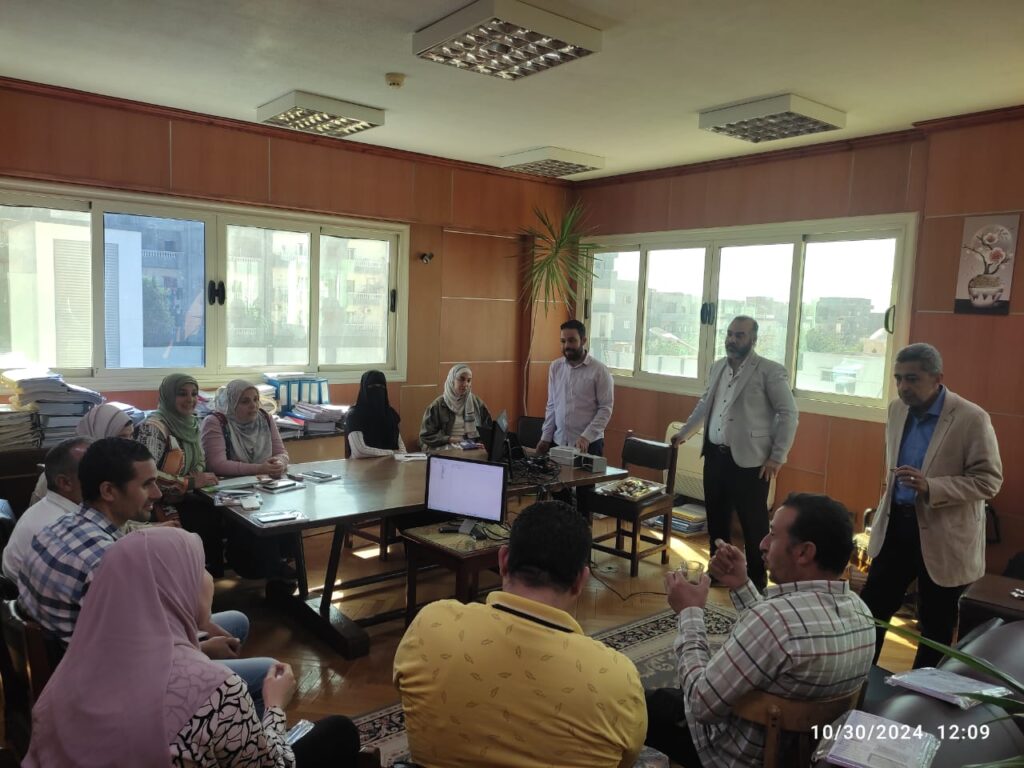
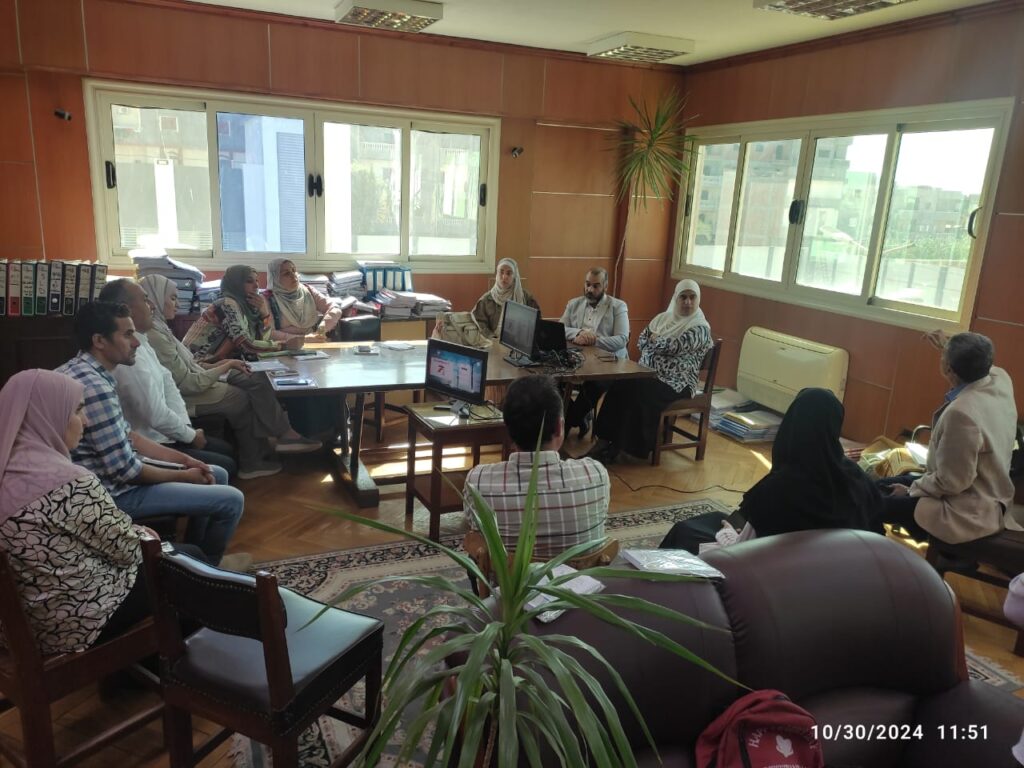
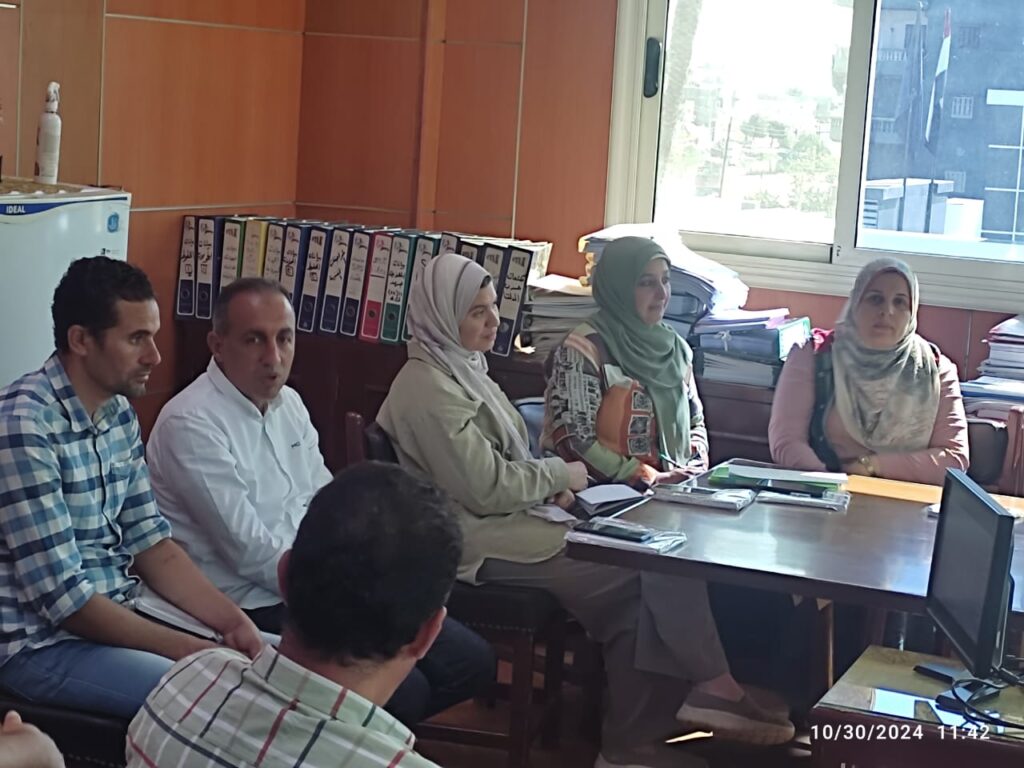
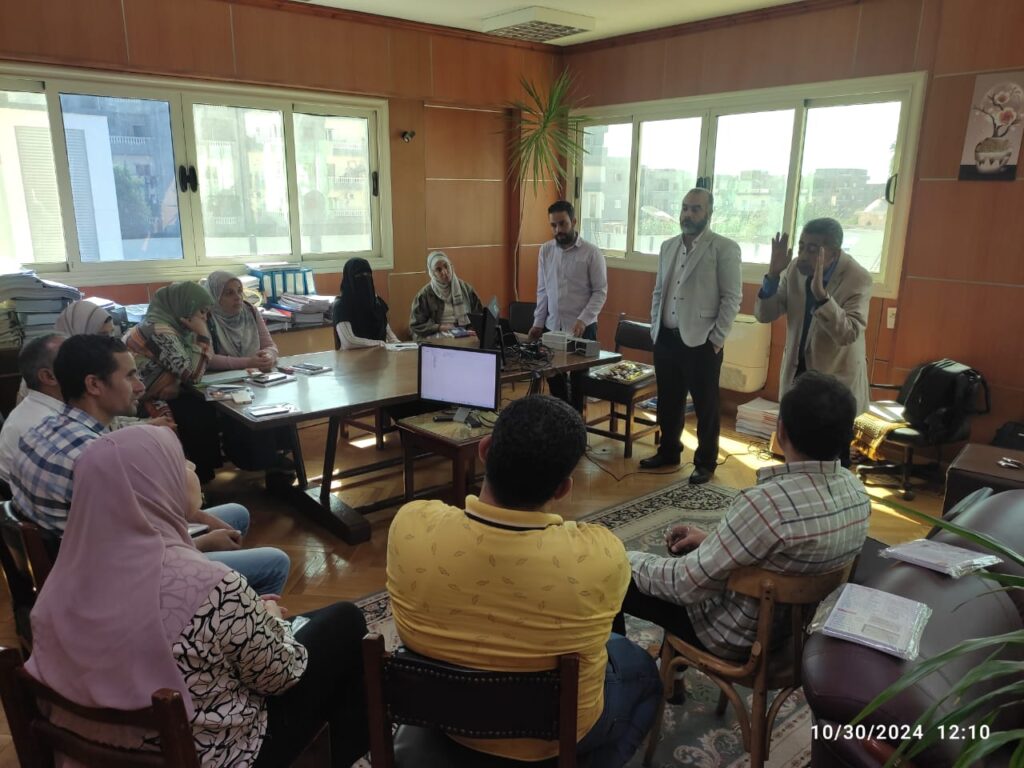
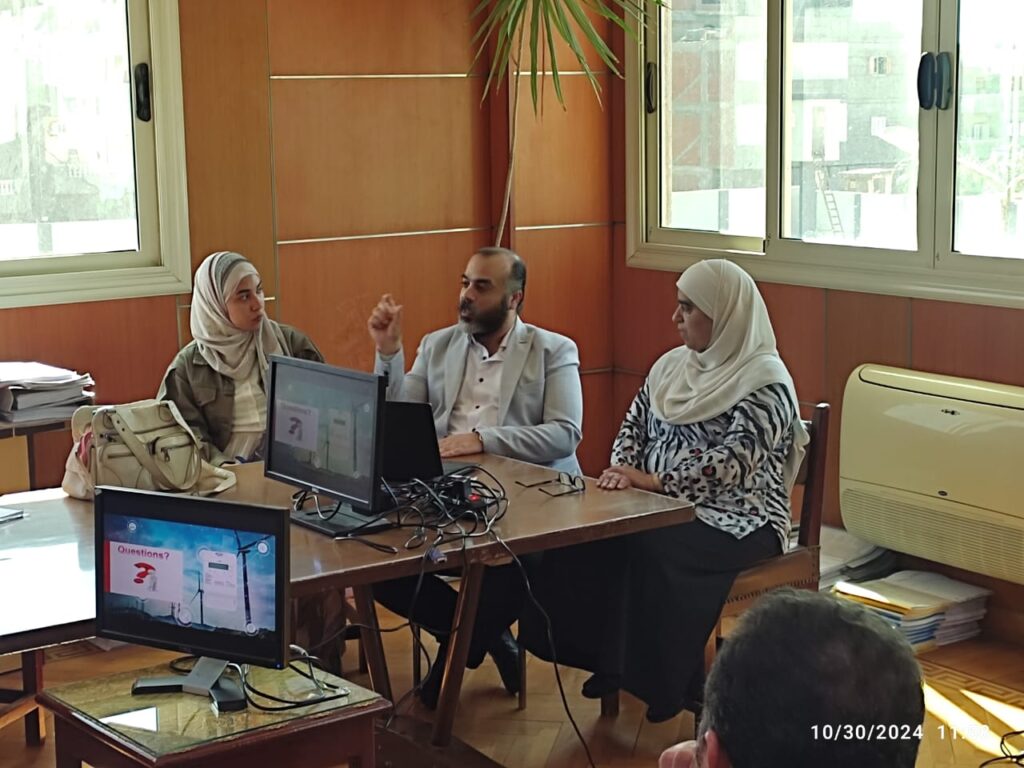
On October 30, 2024, Infinity Egypt conducted a specialized technical training session focused on the advanced capabilities and applications of smart energy meters with Class 0.2S accuracy.
The training brought together engineers and technical professionals for an in-depth technical discussion covering smart metering fundamentals, hardware architecture, communication technologies, power-quality monitoring, loss compensation, security, firmware management, and integration with modern electricity-network systems.
The session was presented by Eng. Ahmed Mohsen of Infinity Egypt, with the objective of strengthening technical understanding of modern smart metering technologies and their role in the development of more connected, reliable and data-driven electricity networks. The presentation identifies Eng. Ahmed Mohsen as the presenter and focuses on Class 0.2S smart-meter technology and its advanced functions.
Key Attendees & Department Leadership:
The session witnessed active attendance from protection, measurement, and control divisions across the Beheira and West Delta regions:
Eng. Samir El Sharkawy (General Manager of Protection).
Eng. Asmaa Omran Mohamed (Damanhour Protection Dept.), Eng. Shaimaa Mohamed (Central Protection Dept.), Eng. Rasha Dawood (West Delta Protection), Eng. Heba Abu Ismail (West Delta Protection).
Eng. Ahmed Ahmed Abu El Enein (West Beheira Measurement Dept.), Eng. Basma Shawky Shaalan (Sadat Measurement Dept.), Eng. Osama Ghazi Hussein (Kafr El Dawwar Dept.), Eng. Ashour Ramadan (Itay El Baroud Control Dept.).
Key Training Highlights
Smart Metering
Communication
Security
Power Quality
Loss Compensation
Firmware
From Conventional Metering to Smart Energy Measurement
The training began with an overview of what distinguishes a modern smart energy meter from a conventional energy meter.
Participants explored the importance of:
- Two-way communication
- Remote meter reading
- Remote data collection
- Energy usage analysis
- Power-quality monitoring
- Remote configuration and updates
- Integration with smart energy and decision-making systems
Why Smart Metering Matters?
Modern smart metering allows utilities and energy organizations to move beyond simply recording accumulated energy consumption.
By providing measurement data, communication capabilities and advanced analytical functions, smart meters can support improved monitoring, operational decision-making and the transition toward more intelligent electricity infrastructure.
Key Technical Topics Covered
The training highlighted the advanced hardware architecture of the smart energy meter class 0.2S, designed for greater processing power, flexibility, and reliable performance.
Key features included:
- Non-volatile memory for metrological and power-quality data.
- Multiple communication options: GSM/LTE, RS-485, Ethernet, and optical communication.
- Wide operating voltage while maintaining Class 0.2S accuracy.
- Samples per cycle for precise measurement and advanced monitoring.
The presentation covered multiple communication interfaces and protocols, including:
- RS-485:
Reliable serial communication suitable for industrial environments and multi-meter networks.
- Ethernet / TCP-IP:
High-speed network communication providing integration with existing LAN infrastructure and supporting remote access.
- LTE/GSM:
Enabling remote data transmission and two-way communication between the meter and utility systems.
- Optical Communication:
Providing local access for meter configuration and communication.
- SCADA, Head-End Systems (HES) and substation automation :
The meter platform can support up to four independently operating communication ports, providing flexibility for integration with systems.
The training also examined several important communication protocols used within modern electricity infrastructure.
- DLMS / IEC 62056
DLMS provides a standardized communication language between smart meters and utility systems and supports functions such as remote meter reading, monitoring and data management.
- Modbus
The session discussed Modbus communication in both RTU and TCP environments, including its application in industrial automation systems.
- DNP3
DNP3 was presented as an open communication protocol widely used for SCADA systems, remote monitoring and power-grid applications.
- IEC 61850
The training also introduced IEC 61850 and its role in enabling standardized communication and interoperability between intelligent electronic devices in electrical substations.
The presentation discussed IEC 61000-4-30 Class S power-quality functionality, including statistical surveys and preliminary investigations of electrical-network conditions.
Topics included:
- Power frequency
- Voltage magnitude
- Voltage unbalance
- Voltage dips and swells
- Interruptions
- Rapid voltage changes
- Power-quality trends
- Event monitoring
These capabilities can provide engineers with additional visibility into network performance and help identify recurring electrical conditions and potential problems.
Accurate time synchronization helps ensure that measurement data is correctly timestamped and can be correlated with other information within the electricity network.
The presentation highlighted several benefits:
- Accurate Data Collection
Ensuring that measurements taken at different intervals have consistent timestamps.
- Data Correlation
Allowing meter data to be correlated with information such as weather conditions and renewable-energy generation.
- Automated Actions
Supporting time-based functions and automated operations within smart-grid environments.
This function is important in situations where the physical location of the meter does not exactly correspond to the point where electrical ownership or billing is determined.
The training explained how compensation can account for losses associated with transformers and electrical lines, helping improve the accuracy and fairness of energy measurement and billing.
The presentation also covered the parameters involved in loss calculations, including:
- Transformer iron losses
- Transformer copper losses
- Line resistance
- Line reactance
- Rated load voltage
- Rated load current
As smart energy meters become increasingly connected, security and long-term device management are essential.
The training covered security capabilities including DLMS, encrypted communication and security mechanisms designed to strengthen data protection.
The session also addressed firmware upgrades.
Firmware updates can help improve:
- Meter functionality
- Measurement reliability
- Cybersecurity
- Remote management
- Long-term operational flexibility
The presentation emphasized that firmware upgrades can introduce new functionality and address software or security issues without necessarily requiring replacement of the installed hardware.
The training also reviewed standards and certification areas relevant to smart energy metering.
Topics included:
- IEC metrological certification
- MID certification
- IEC 62052-31 safety certification
- DLMS certification
- Local metrological and communication requirements
Safety was also highlighted through reference to IEC 62052-31, supporting the importance of protection against risks to people and property.
Supporting Egypt's Smart Energy Future
For Infinity Egypt, technical training is an important part of supporting the continued development of engineering capabilities within Egypt’s electricity sector.
By sharing technical knowledge around smart metering, communication protocols, power quality, cybersecurity, loss compensation and advanced measurement functions, Infinity Egypt continues to support professionals working with the increasingly digital electricity infrastructure.
The smart energy meter class 0.2S represents the broader evolution of energy measurement from a conventional reading device into an intelligent, connected component of modern electricity networks.
Event Gallery
Browse more news