From Classroom to Calibration Bench: Advanced Smart Metering Training at CCED
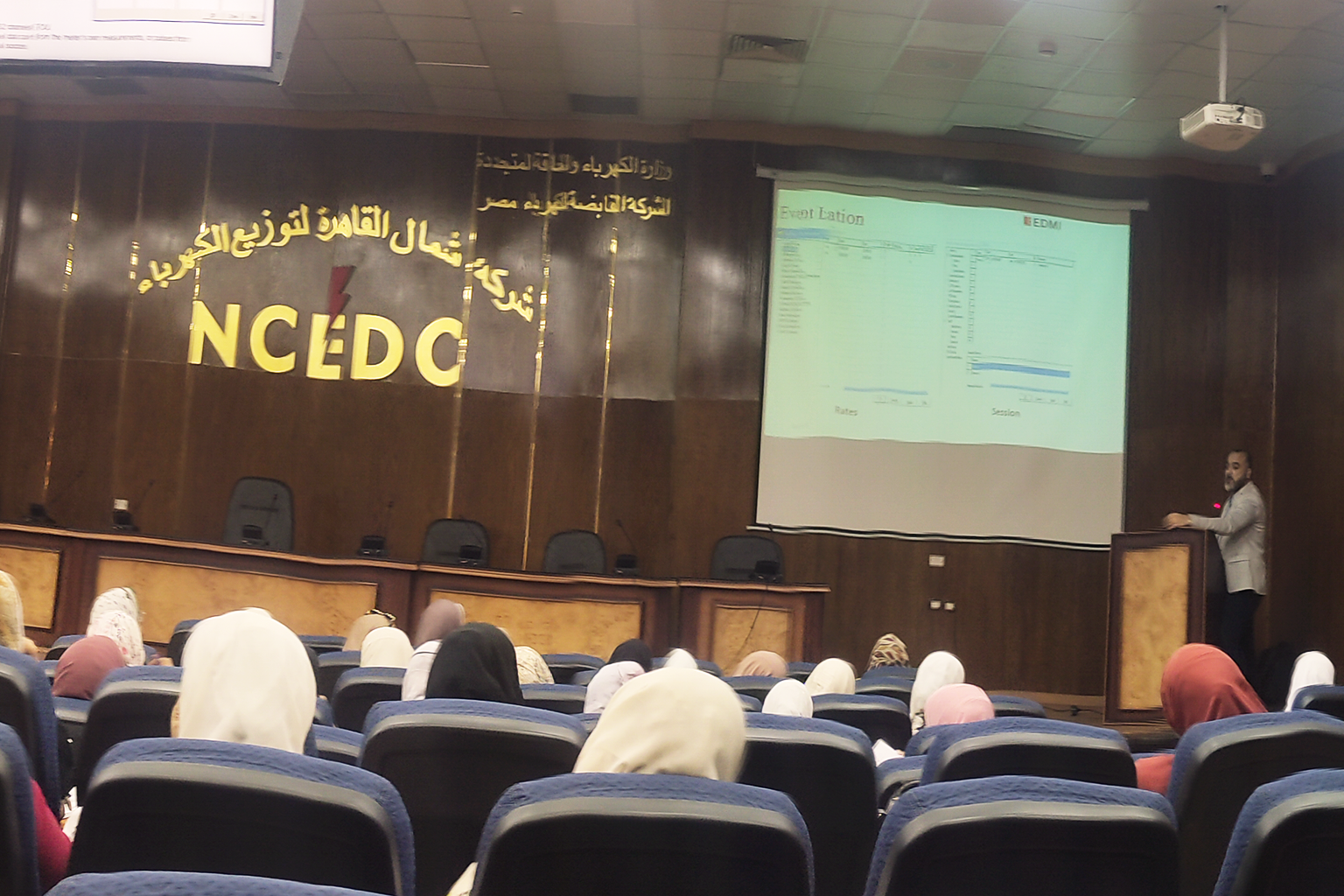
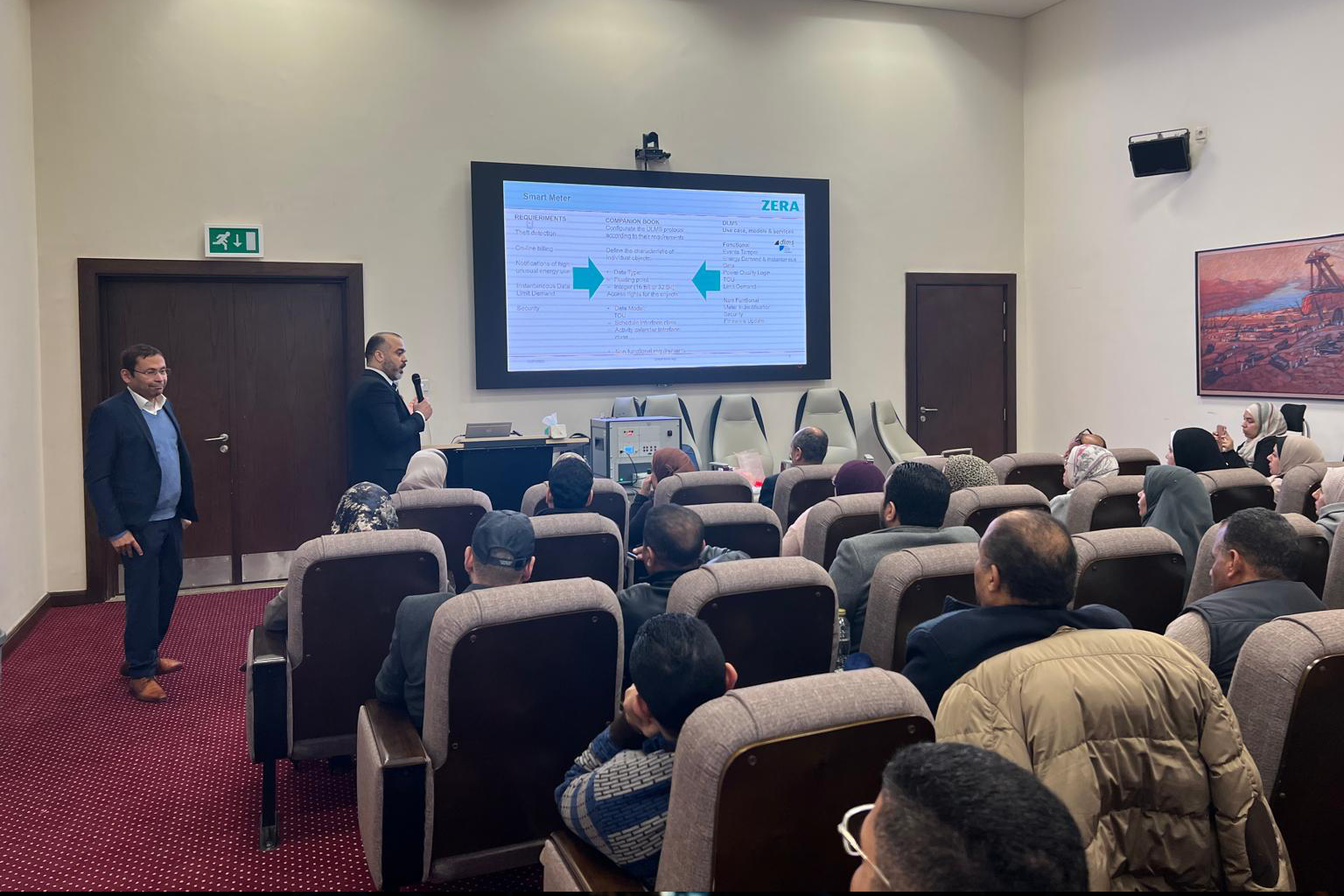
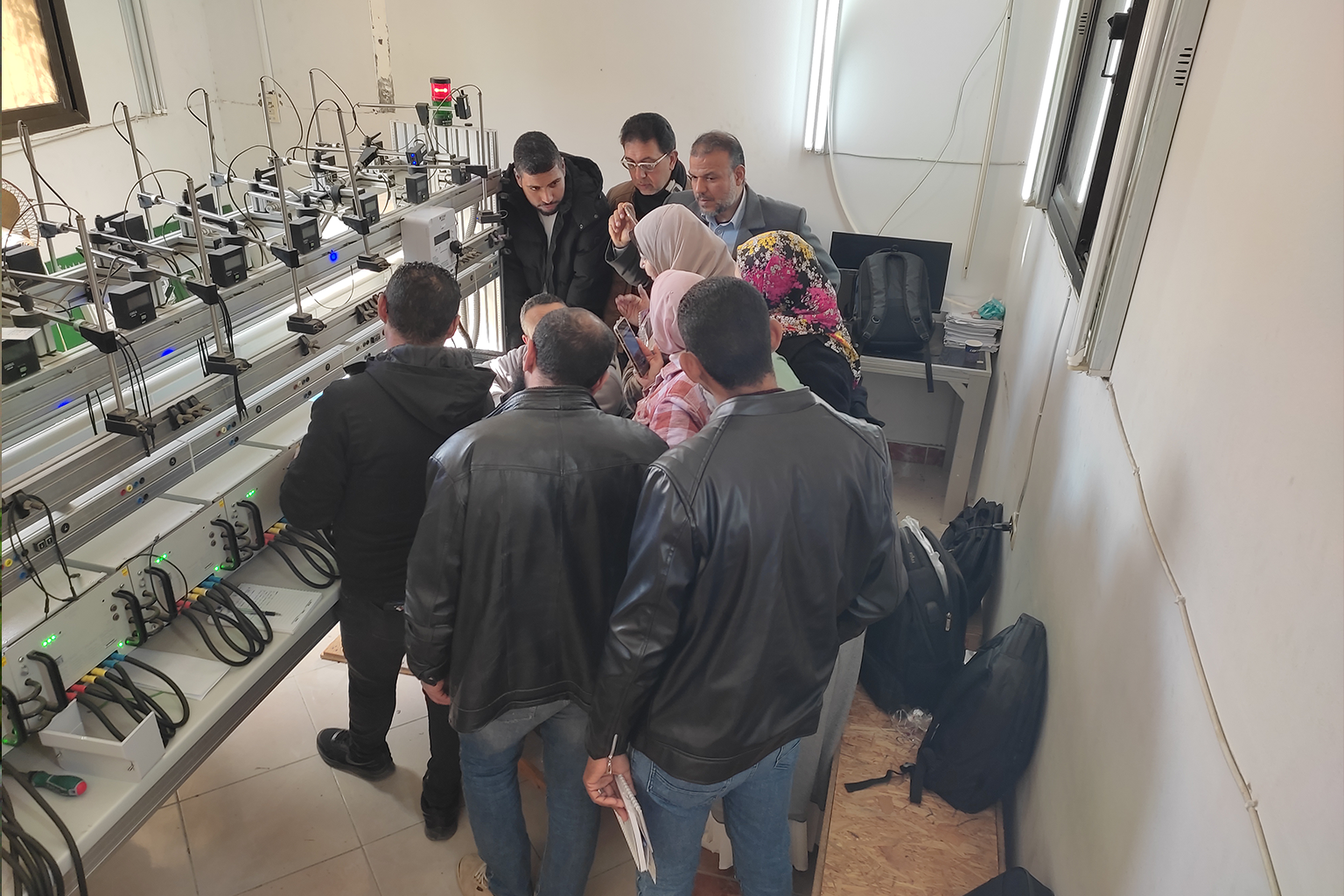
On December 31, 2024, Infinity Egypt delivered a specialized technical training session for engineers and managers from Canal Electricity Distribution Company (CCED), held at the Calibration Laboratory of CCED’s Al-Qirsh unit. The session focused on the advanced capabilities of the smart energy meter (Class 0.2S), and was structured to combine technical theory with direct, hands-on exposure to the meter itself.
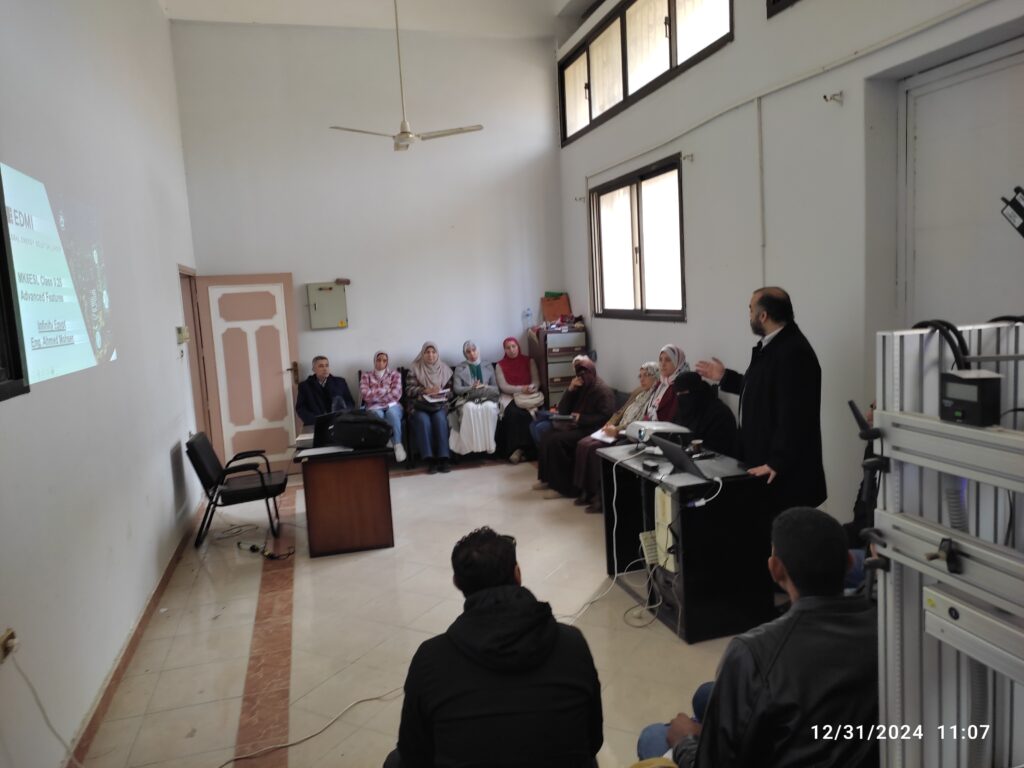
The day was structured in two parts, opening with a classroom-style technical presentation led by Eng. Ahmed Mohsen of Infinity Egypt. The session walked attendees through the architecture, communication capabilities and standards compliance of the smart energy meter (Class 0.2S), before moving into a live, hands-on segment.
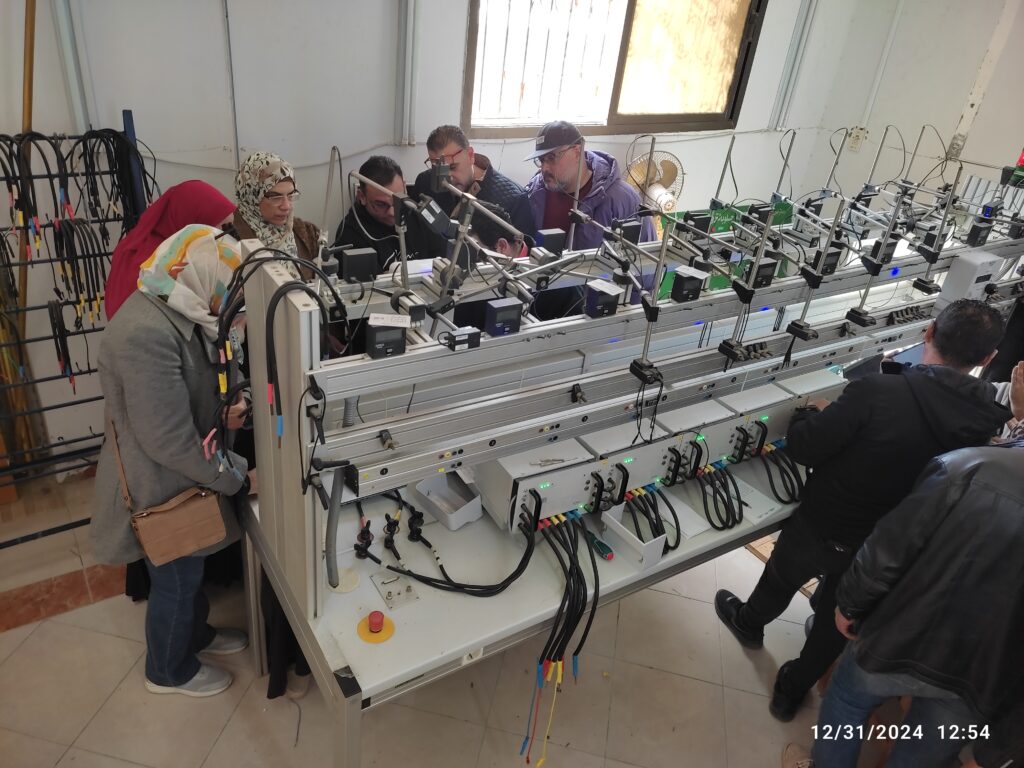
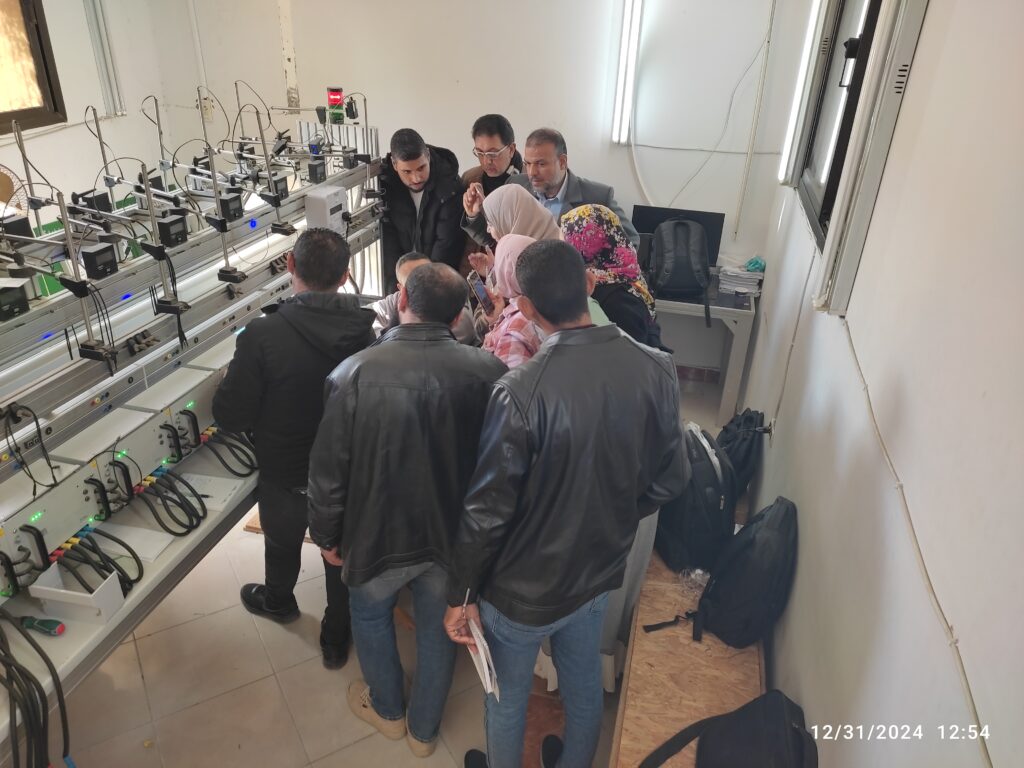
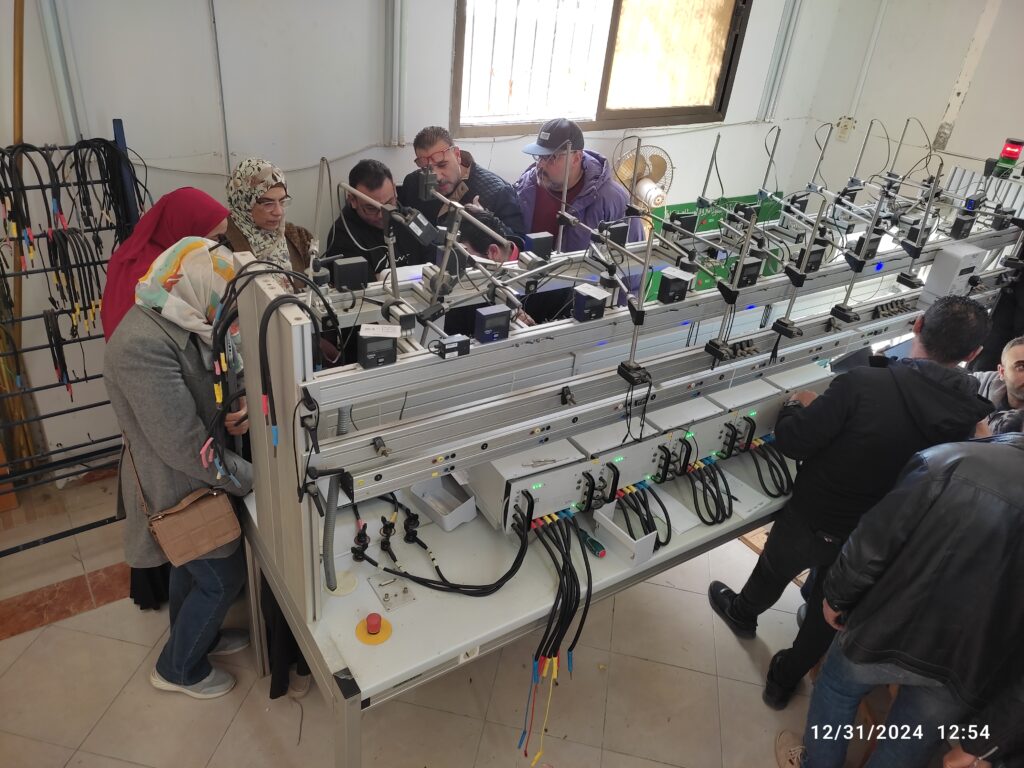
Engineers then moved to CCED’s calibration laboratory for a practical session, working directly with meters mounted on the test benches — connecting communication interfaces, navigating configuration menus, and observing the meter’s measurement and diagnostic functions in real time.
Eng. Amal Mohamed Raheel, Head of the Meters, Billing and Prepayment Sector at CCED, coordinated the visit on the utility’s side, welcoming engineers from across several of CCED’s regional sectors — including Suez, Port Said, South Ismailia and the company’s General Bureau — alongside Eng. Ayman El-Maghawry, Sales Manager at Infinity Egypt. The sign-in register recorded attendance from more than a dozen engineers spanning technical and managerial roles, with a second round of sessions planned to cover the utility’s remaining sectors.
Key Technical Topics
A major part of the session addressed the communication capabilities that enable smart meters to exchange data with utility and automation systems. Participants explored:
- RS-485 serial communication and multi-meter networking.
- Ethernet TCP/IP connectivity and network integration.
- LTE/GSM modem functionality for two-way communication and remote data collection.
- DLMS for standardized smart-meter communication.
- DNP3 for SCADA monitoring and control applications.
- IEC 61850 concepts for interoperability in electrical substations.
- NTP time synchronization and its role in accurate, correlated meter data.
Communication was a central theme of the day. The meter supports up to four independently operating communication ports — GSM/LTE modem, RS-485, Ethernet and an optical port — allowing it to be integrated into different utility architectures depending on the application.
Attendees compared the two most common wired options: RS-485, valued for cost-effective, long-distance serial communication across multi-meter networks, and Ethernet, which offers faster data transfer, easier integration into existing networks, and better scalability for growing metering estates. The choice between the two, engineers were shown, comes down to data requirements, existing network infrastructure, scalability needs and cost.
On the protocol side, the meter supports DLMS (IEC 62056), Modbus RTU/TCP, DNP3 and IEC 61850 — either individually or simultaneously across different ports — with firmware upgrade capabilities that can add new protocol modules over time. The session also covered how Network Time Protocol (NTP) keeps meter clocks synchronized across a network, which matters for accurate data collection, correlating readings with other systems, and enabling time-based automation.
These communication options extend to integration with SCADA systems, Head-End Systems (HES) and AMI/AMR platforms, positioning the meter as an active data source within CCED’s broader monitoring and decision-making systems rather than a passive recording device.
For a group whose work centers on metering and billing, the session’s discussion of Transformer and Line Loss Compensation (TLC) was especially relevant. TLC addresses situations where a meter’s physical location does not match the exact point where ownership of the electricity changes hands — meaning the losses that naturally occur in transformers and lines between the two points can otherwise go unbilled or double-billed.
Engineers were shown the two standard approaches to calculating these losses — the test-sheet method, which uses a transformer’s manufacturer test data, and the percentage loss-constants method, based on predefined factors — and how the resulting compensation value is either added to or subtracted from the meter reading depending on where the meter sits relative to the billing point.
The session also covered the meter’s two measurement methods: Total, which uses the RMS value of voltage and current — the default and most widely used standard, combining fundamental and harmonic energy — and Fundamental, which measures based on fundamental voltage and current only, a distinction that matters in networks with significant harmonic content.
Beyond billing, the meter’s power-quality functions were presented as a tool for network visibility. Its power-quality monitoring is built to IEC 61000-4-30 Class S, a classification for power-quality analyzers designed around statistical surveys and contractual compliance checks rather than dispute-grade forensic analysis.
Engineers were shown how Class S functionality offers a cost-effective, easy-to-deploy way to flag potential power-quality issues, track trends over time, and feed practical statistical data into meter data management (MDM) and supervisory (SAS) systems — giving CCED’s teams an additional layer of insight into network conditions beyond standard consumption readings.
As with any connected device, cybersecurity and lifecycle management were addressed directly. The meter’s DLMS security is certified to Suite 0 and Suite 1 against the current CTT3.1 requirements, built on an established encryption library to support multilayered, secured communication and image transfer.
Firmware on the meter is both upgradable and downgradable, allowing new functionality, protocol modules and security patches to be applied remotely without replacing hardware already installed in the field — a meaningful consideration for infrastructure with a design life of 15 years, over which communication standards, cybersecurity requirements and utility needs will continue to evolve.
The technical portion of the training closed with a review of the certifications behind the platform: IEC metrological certification, MID (Measuring Instruments Directive) certification for EU markets, IEC 62052-31 safety certification, and DLMS certification confirming compliance with the communication standard. Together, these were presented as the baseline that allows a meter to be evaluated for both metrological accuracy and safe, interoperable operation across different regulatory markets.
The classroom discussions were complemented by close examination of the metering and testing equipment. The practical interaction gave participants an opportunity to connect the concepts presented in the session with real equipment, interfaces and field-oriented applications.
For Infinity Egypt, technical training is an essential part of supporting the successful adoption and long-term operation of advanced metering technologies. By combining international technology with local engineering expertise, the company continues to support utilities in building accurate, connected and future-ready energy infrastructure.
Building capability for the smart grid: Training programs such as this help bridge the gap between advanced metering technology and day-to-day engineering practice—supporting better measurement, stronger communication, improved visibility and more informed grid operations.
Browse more news